While Takayama has recently become one of Japan’s must-visit destinations, with its city-break convenience and proximity to enchanting sights like Shirakawa-go, only 15 minutes away by train is a traditional Japanese town with crowd-free streets, stunning architecture, and a beating heart of seasonal events. That town is, of course, Hida Furukawa.
If you only visit Takayama, you’ll be missing out on the true soul of rural Japan—blending centuries of culture and history with an eye on the future and its most enduring charms—including inspiration for the scenes of Your Name.
Join us as we spend a perfect few days in the charming streets of Hida Furukawa.
Explore Hida Furukawa’s sights
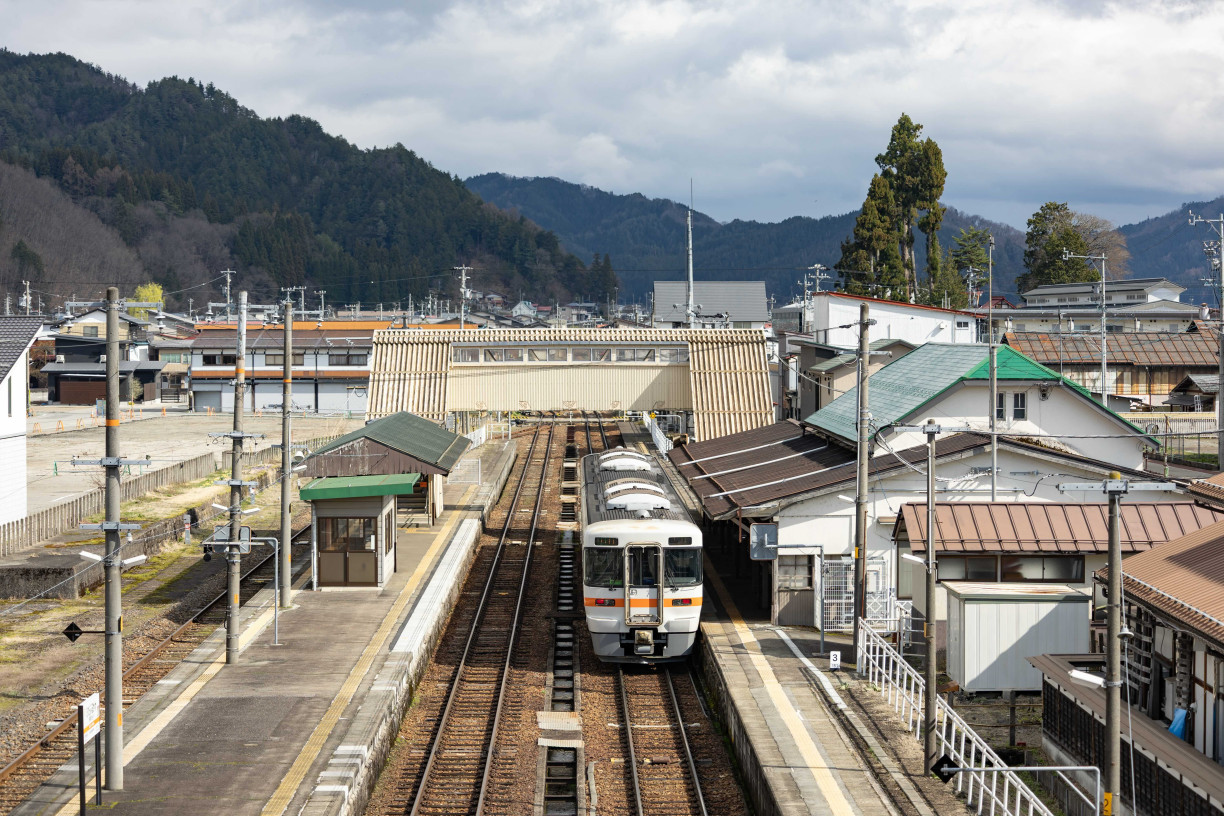
Hida-Furukawa Station
Hida-Furukawa Station (Fabien Recoquille)
As soon as you arrive, you may have a sense of deja vu tugging at you. That’s because Hida-Furukawa Station is regarded as inspiring one of the locations seen in Your Name, and if you hop off the train and head up to the overpass, you’ll be treated to the exact view seen in the film.
As the trains come and go, take a deep breath and relax—you’re joining the slower pace of life in Hida Furukawa.
Setogawa Canal & Shirakabe Dozo District
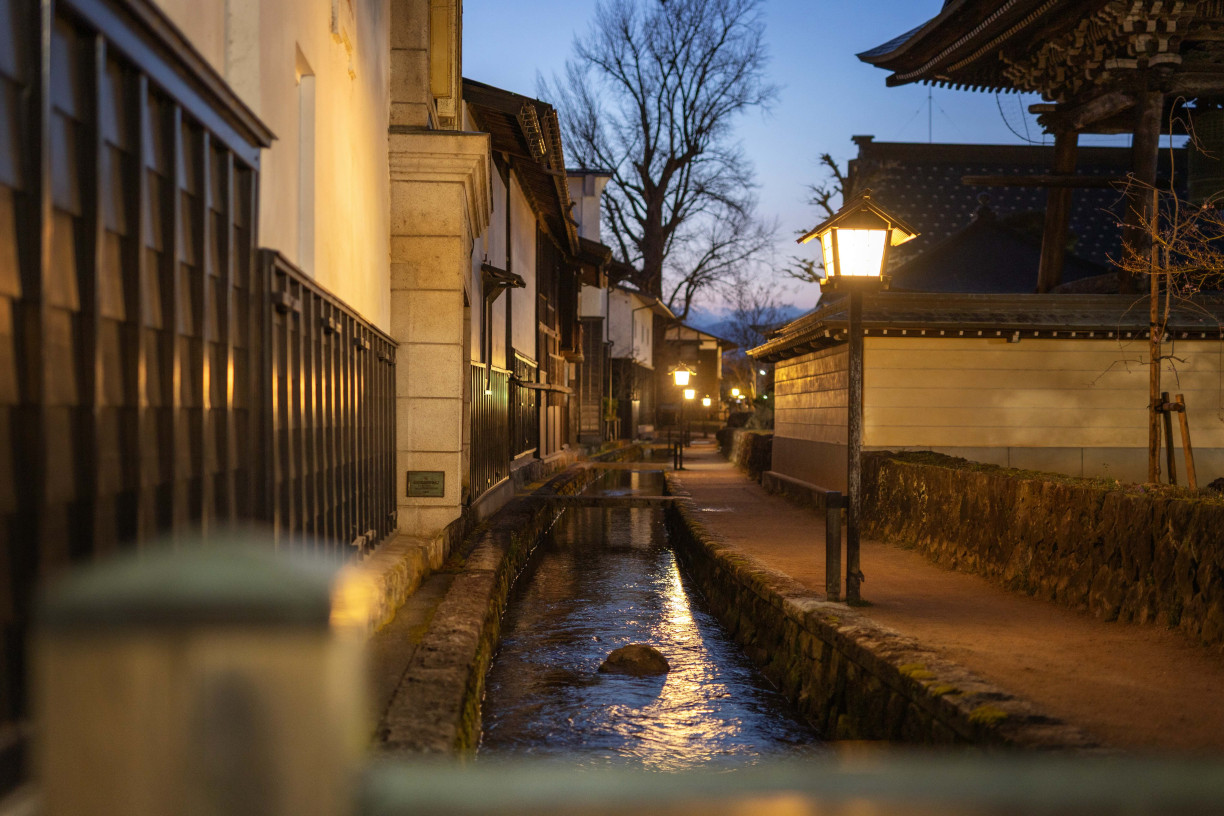
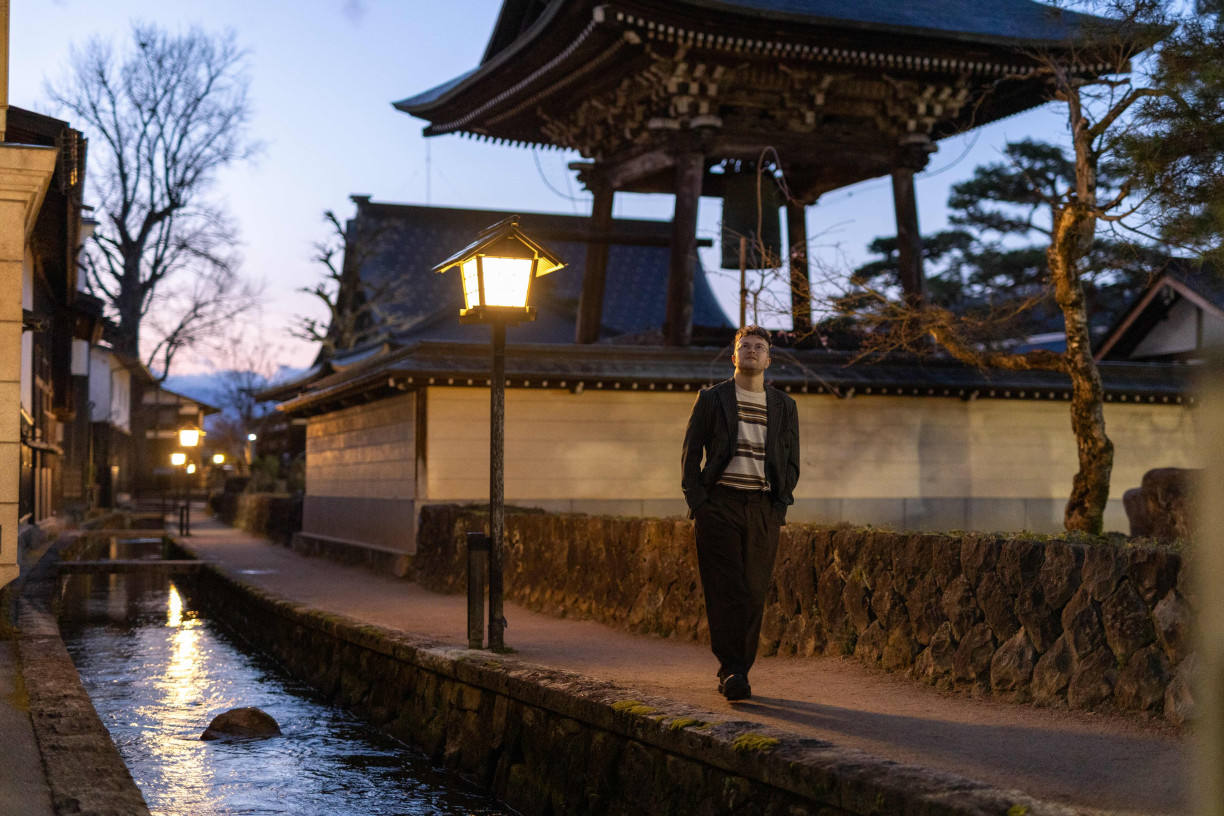
Setogawa Canal and Shirakabe Dozo District at dusk (Fabien Recoquille)
Only moments from the station by foot are two of Hida Furukawa’s most memorable sights.
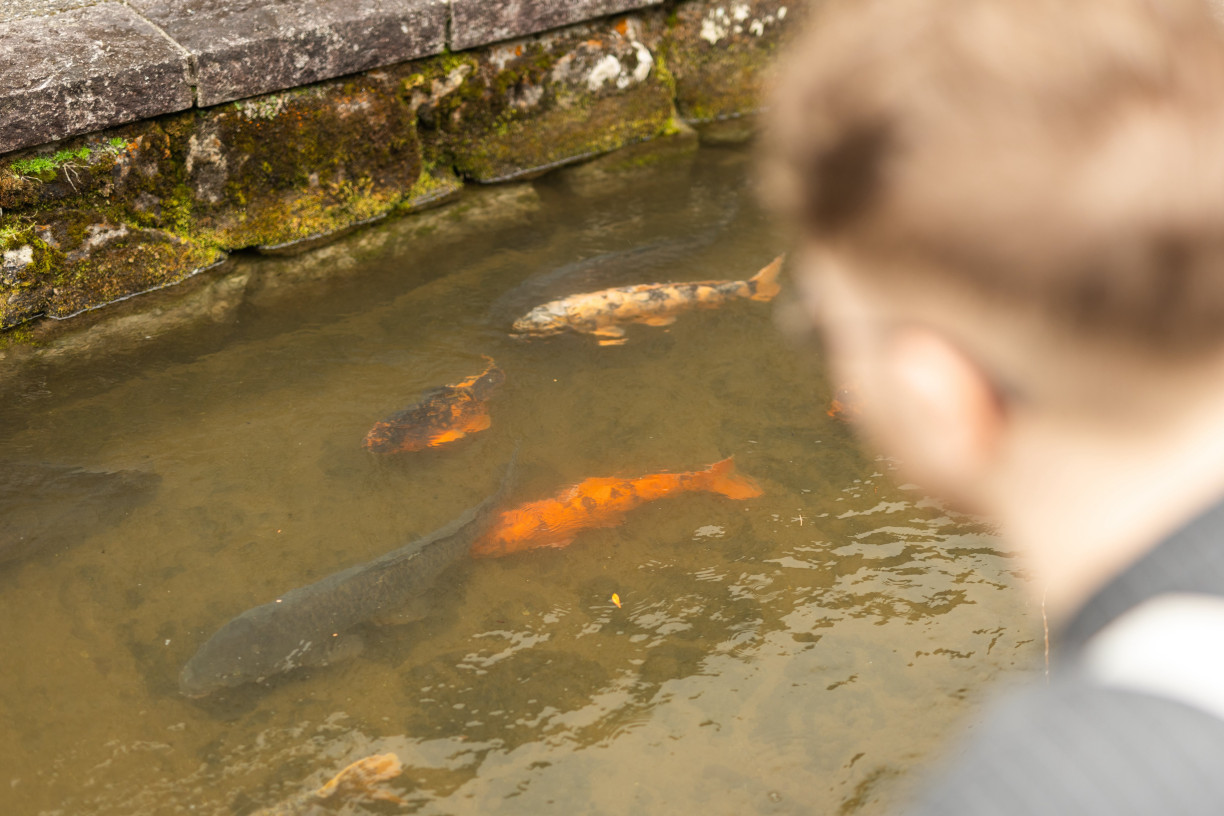
As you walk through the town, noticing locals smile and greet each other in a way that’s only possible once you leave the cities behind, you’ll discover the Setogawa Canal. If you happen to be visiting during the spring or summer months, the canal swims with graceful motion and color as the famous town koi (carp) call it their home, and the sound of flowing water sets the scene.
Koi carp swimming through Seto Canal (Fabien Recoquille)
Running alongside the canal is the Shirakabe Dozo District, where traditional storehouses line the streets with their distinctive white plaster walls, creating a beautiful contrast against the dark timber frames. As evening falls, the area takes on an even more enchanting quality. Lanterns begin to glow, casting soft light across the canal and streets, transforming this already charming spot into something truly magical.
Strolling along the Seto Canal at dusk (Fabien Recoquille)
Arriving in the colder months? The carp will have moved to their temporary winter home—Tenjin Pond—which we’ll tell you about later…
Mishima Japanese Candle Shop
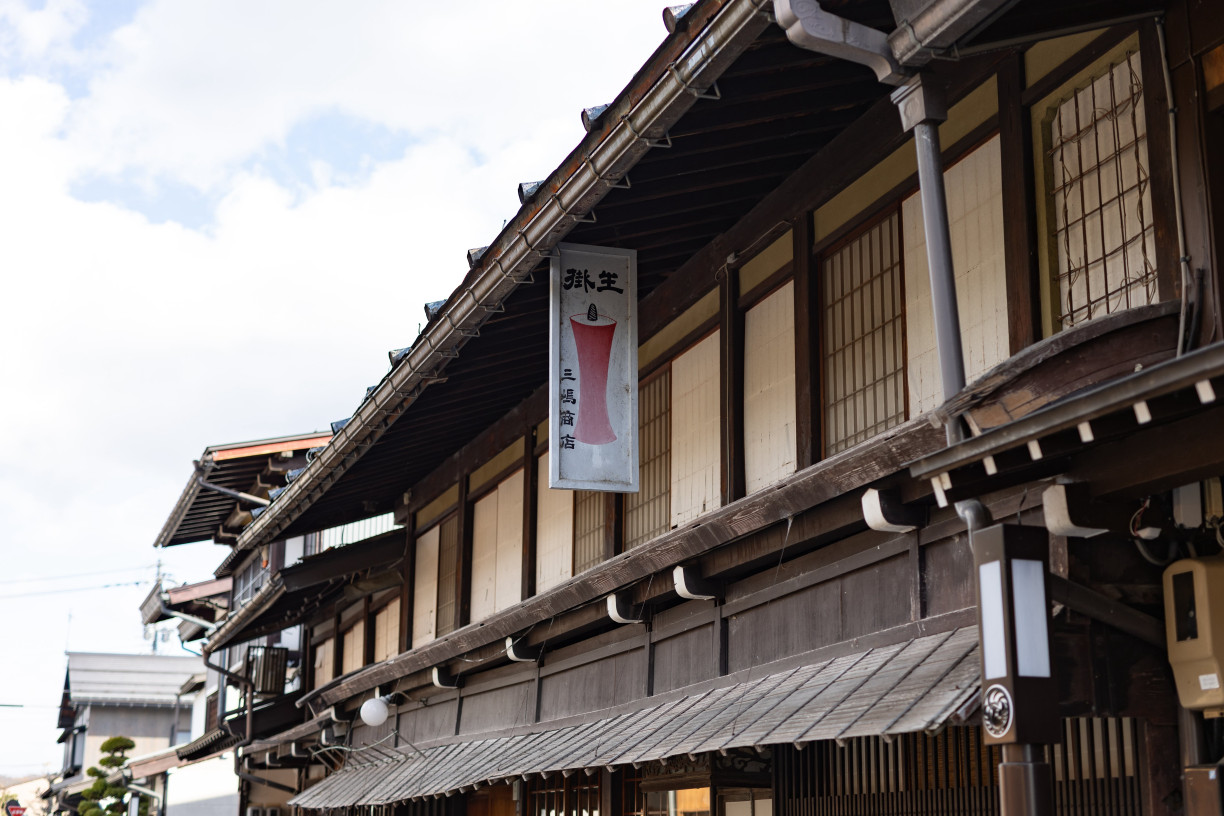
Mishima Japanese Candle Shop (Fabien Recoquille)
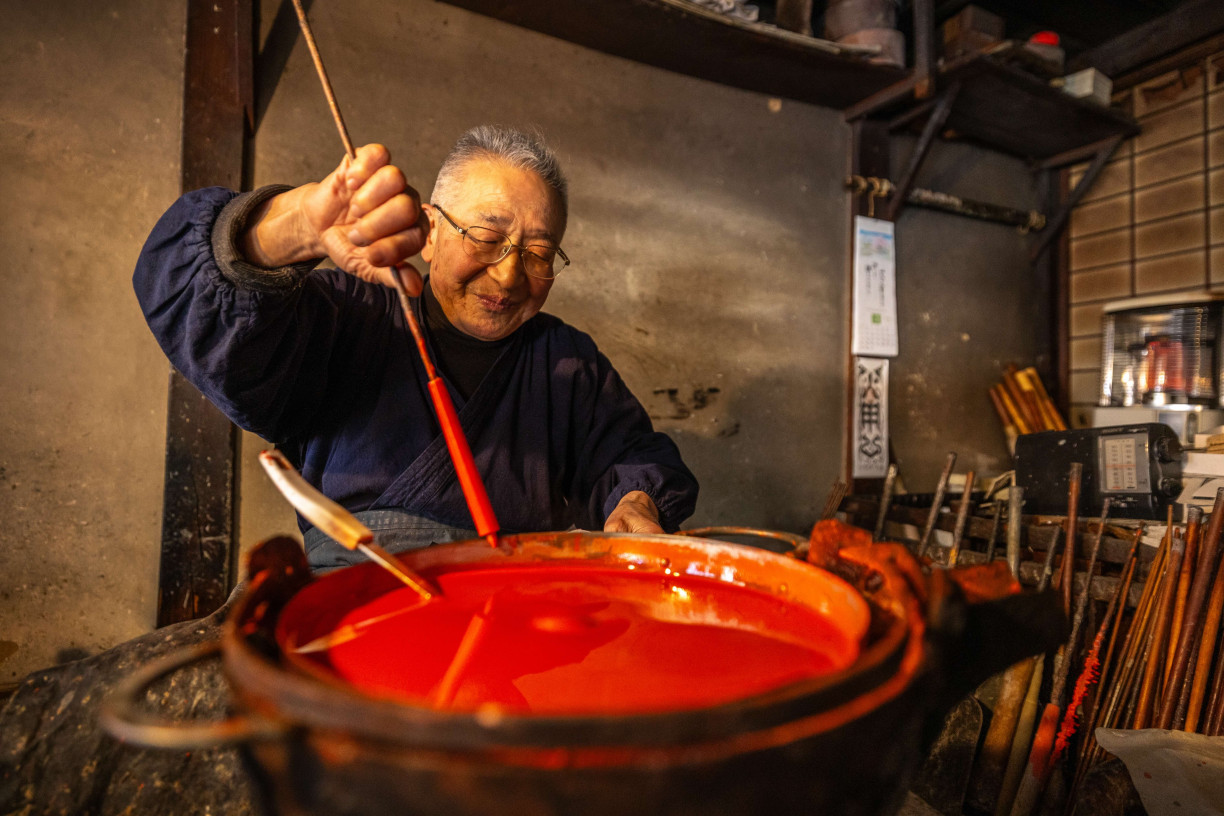
Step inside the Mishima Japanese Candle Shop and discover a living piece of Hida Furukawa’s heritage. In operation for over 240 years, this family-run workshop is now led by seventh-generation artisan Junji Mishima, who works alongside his son—continuing a legacy that will soon pass to an eighth generation.
Mishima, the candle master at work (Fabien Recoquille)
Traditionally, three candle makers once crafted their wares side by side here, but today only one remains, reflecting the shift toward modern electric lighting. Yet, demand is quietly returning, as younger generations seek meaningful, handcrafted ways to celebrate special occasions.
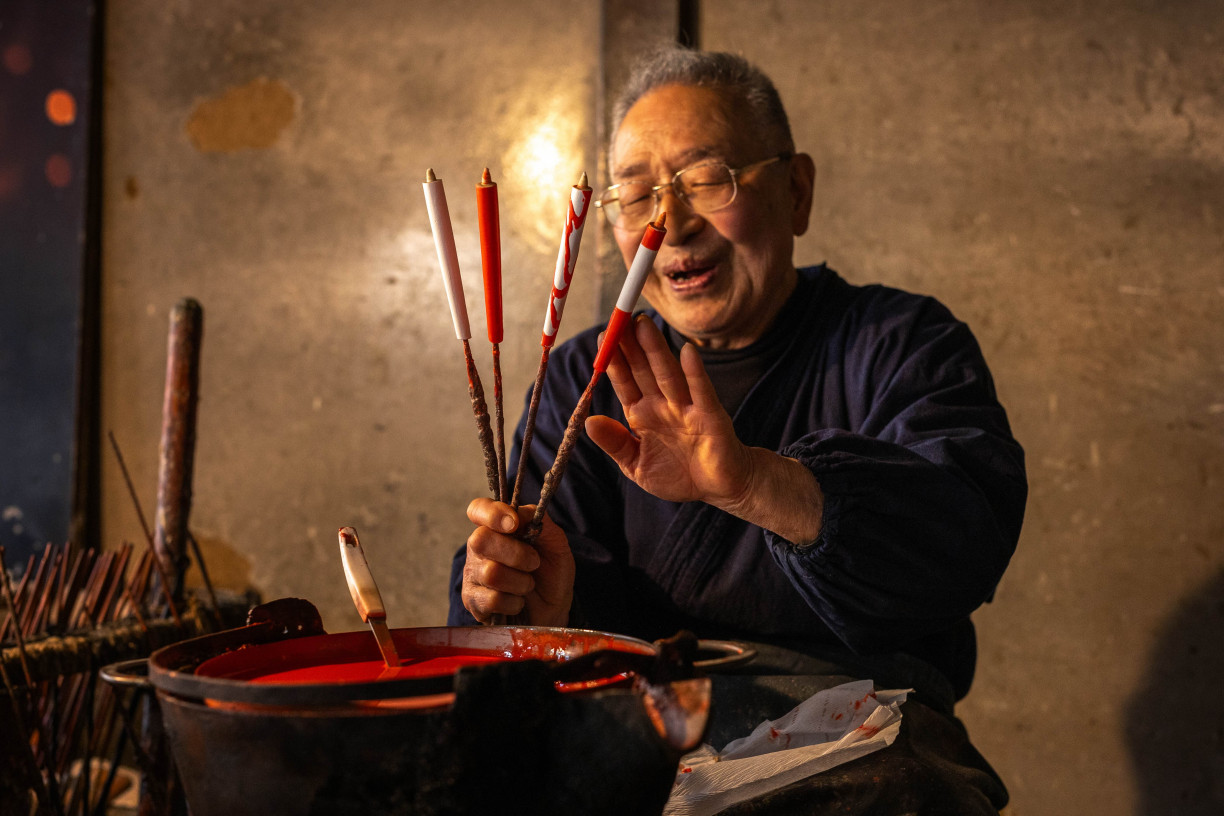
Mishima showing off the four types of candles (Fabien Recoquille)
The shop produces four distinctive candle styles—red, white, striped, and marbled—each carefully made using time-honored techniques. Watching the process offers a rare glimpse into a fading craft now finding renewed appreciation.
Sakura Gift Shop: Kumihimo bracelet braiding
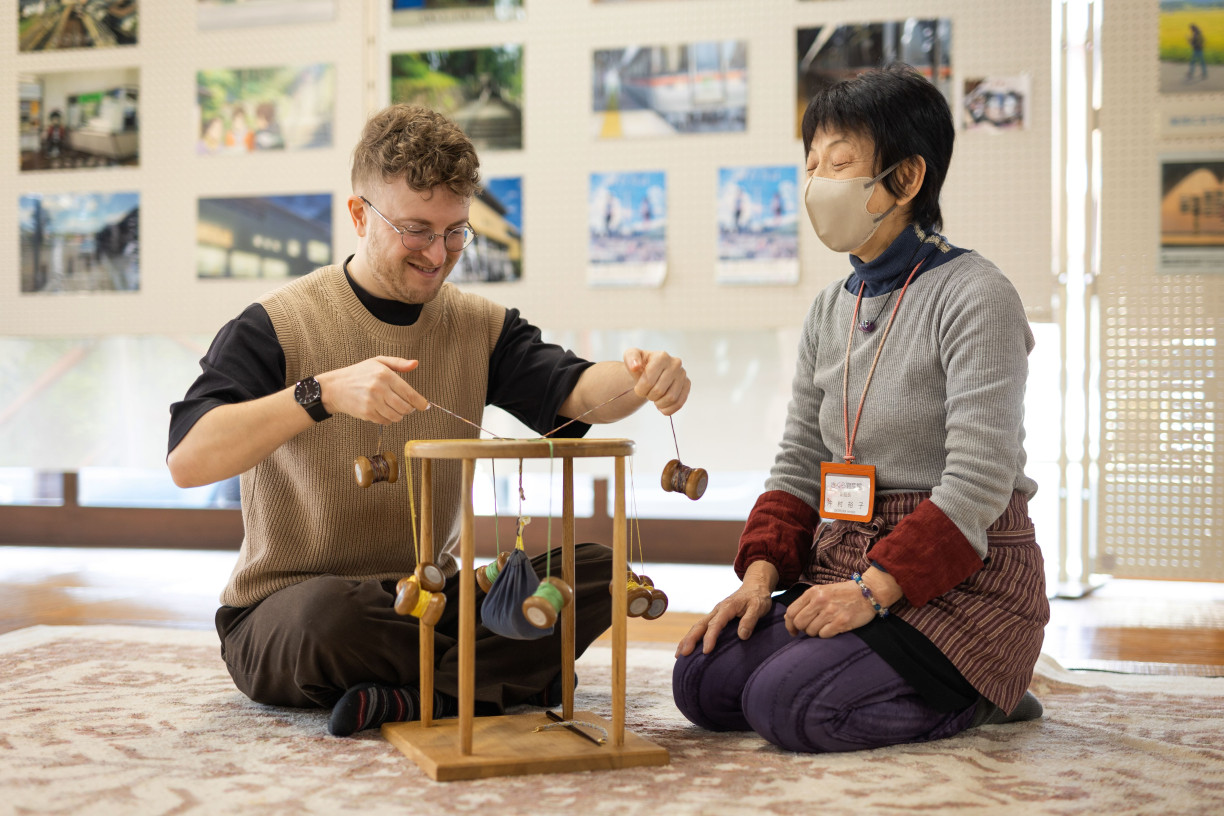
Kumihimo bracelet braiding at Sakura Gift Shop (Fabien Recoquille)
At the Hida Furukawa Sakura Gift Shop, you can experience the delicate art of kumihimo—traditional Japanese cord braiding—using a wooden marudai stand. This hands-on activity offers more than just a souvenir; it invites you into a deeper cultural philosophy.
As expressed in Your Name, “Musubi is the way of calling the local guardian god. This word has profound meaning. Tying thread is musubi. Connecting people is musubi. The flow of time is musubi.” This idea of connection runs through the practice of kumihimo, where individual threads are woven together into something stronger and more meaningful.
The experience reflects a timeless Japanese perspective—one that links craft, relationships, and the passage of time into a single, beautifully braided form.
Three temples: Santera Mairi (Enkoji, Shinshuji, Honkoji)
The peaceful temple district of Hida Furukawa is home to three historic temples—Enkoji, Shinshuji, and Honkoji—collectively linked by the atmospheric Santera Mairi tradition. Wandering between them offers a glimpse into the town’s spiritual and architectural heritage, with each temple showcasing classic wooden designs—a craft that Hida Furukawa is known for, as you’ll see—and serene gardens.
Enkoji is known for its tranquil setting, while Shinshuji stands out with its impressive gate. Honkoji, the largest of the three, adds a sense of grandeur to the route. Together, they form a gentle walking circuit that feels both reflective and immersive. Visiting these temples is not just about sightseeing—it’s about slowing down and connecting with the enduring rhythms of local life.
Hida Crafts Museum
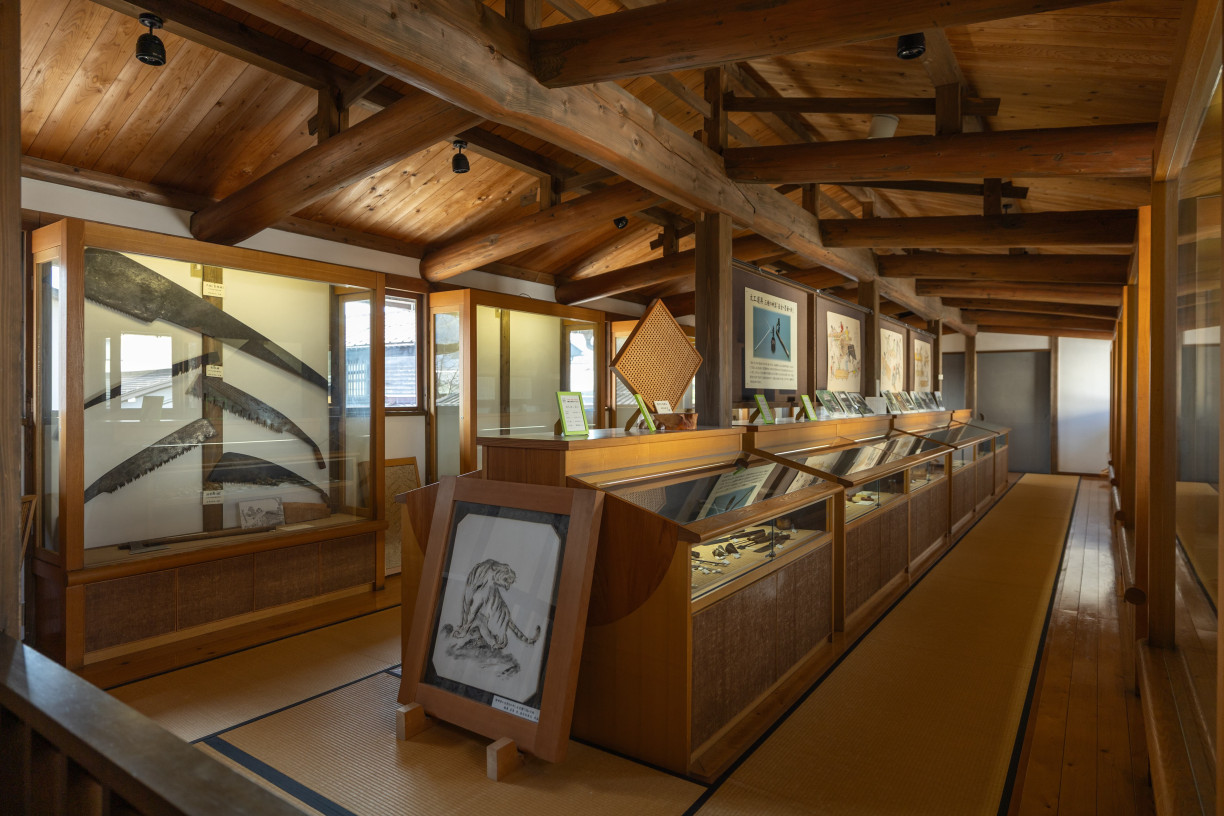
Exhibits at the Hida Crafts Museum (Fabien Recoquille)
Hida Furukawa’s reputation for exceptional woodworking comes to life at the Hida Crafts Museum. Celebrated across Japan, the region’s master craftsmen—known as Hida no Takumi—were once called upon to build palaces and temples in ancient capitals, earning recognition for their precision and ingenuity.
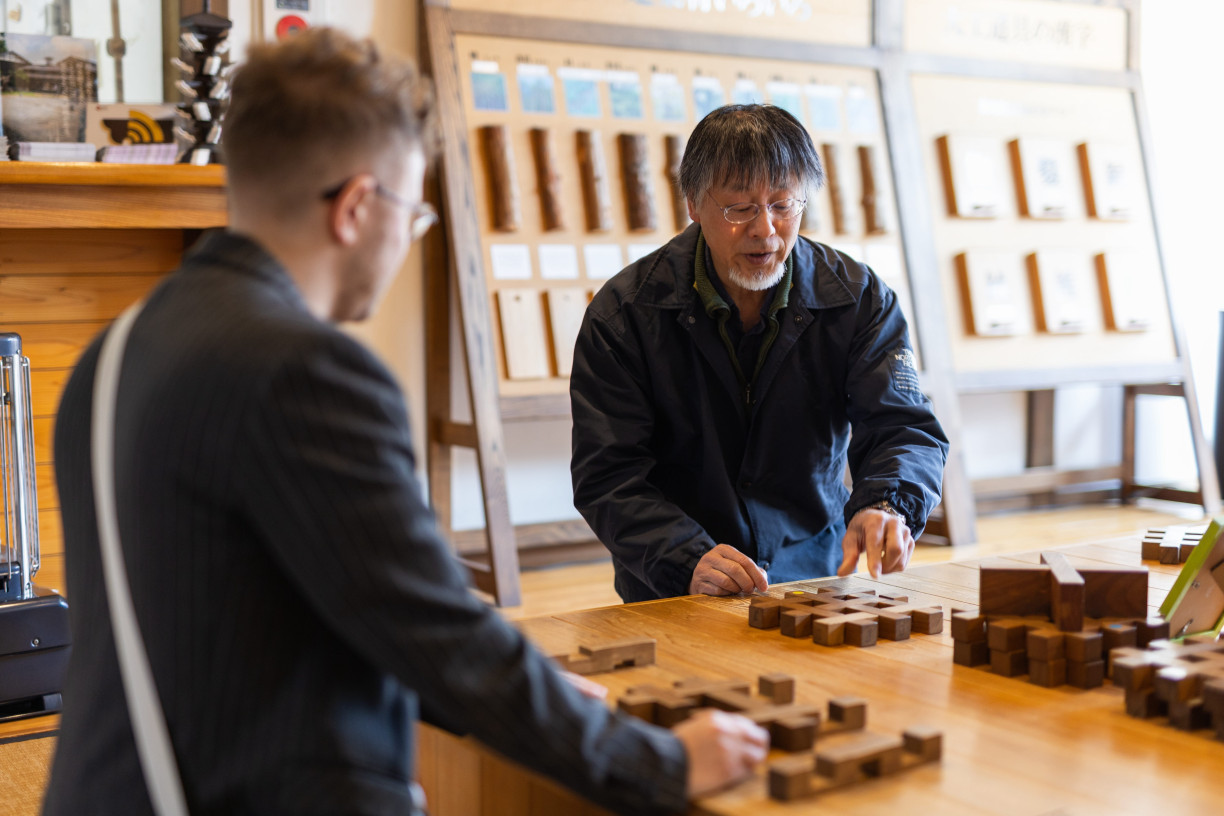
Learning about Hida craftsmanship (Fabien Recoquille)
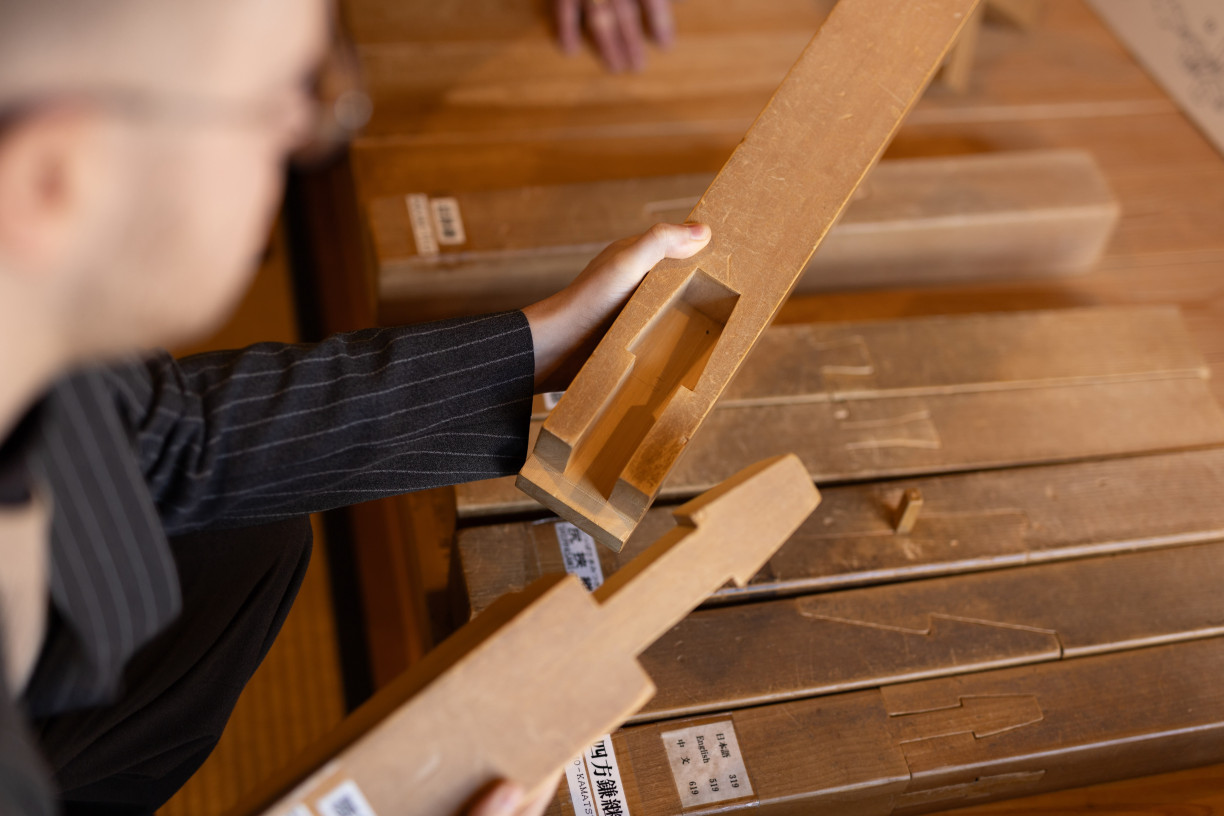
Inside the museum, you’ll uncover the secrets behind these remarkable skills through interactive exhibits and detailed architectural models. One of the most striking aspects is the traditional joinery: intricate wooden connections crafted without the use of nails, relying instead on perfectly fitted joints.
Hida’s famous joinery craftsmanship (Fabien Recoquille)
Visitors can explore these techniques up close, gaining a new appreciation for the craftsmanship that continues to shape the town’s identity. The museum also features a shop, offering beautifully made items that reflect this enduring woodworking tradition.
A taste of Hida Furukawa’s specialties
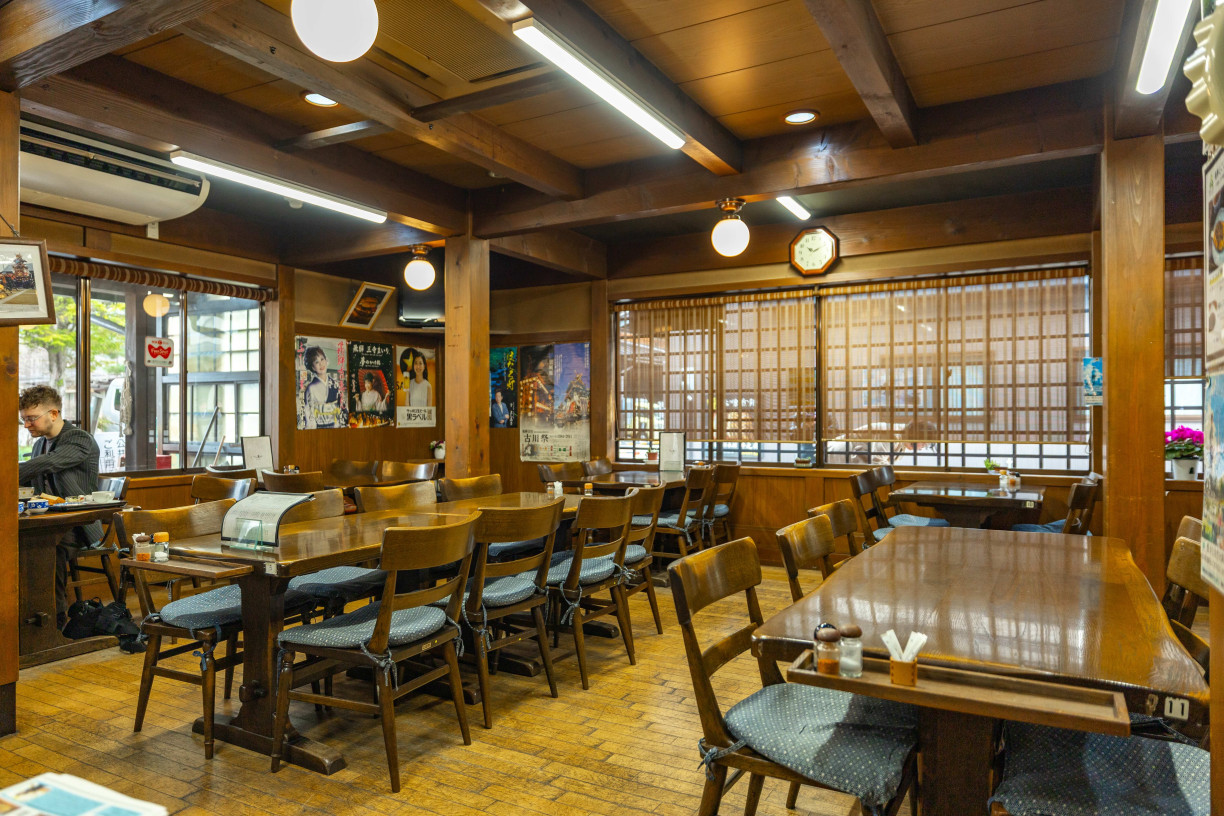
Ajidokoro Furukawa: Morning set
Ajidokoro Furukawa (Fabien Recoquille)
Start your day the Hida Furukawa way at Ajidokoro Furukawa, where a simple morning set becomes a moment of genuine comfort. Settle in with a warm cup of tea as you take in the gentle rhythm of this traditional kissaten-style café.
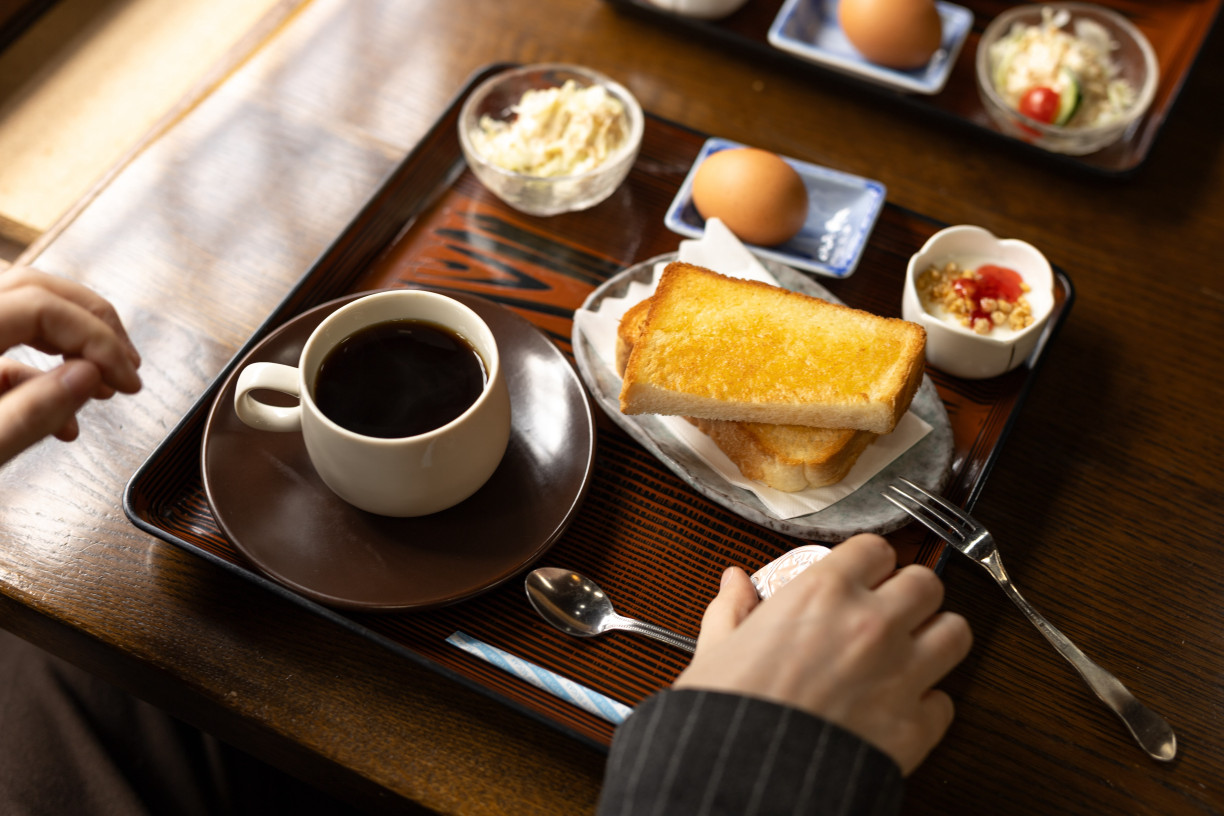
The Morning Set at Ajidokoro Furukawa (Fabien Recoquille)
The breakfast spread is thoughtfully prepared—fresh salad, a hard-boiled or fried egg, buttered toast, and granola and yogurt topped with fruit compote. It’s familiar, homely, and made all the more special by the warm smiles and attentive hospitality that accompany every plate.
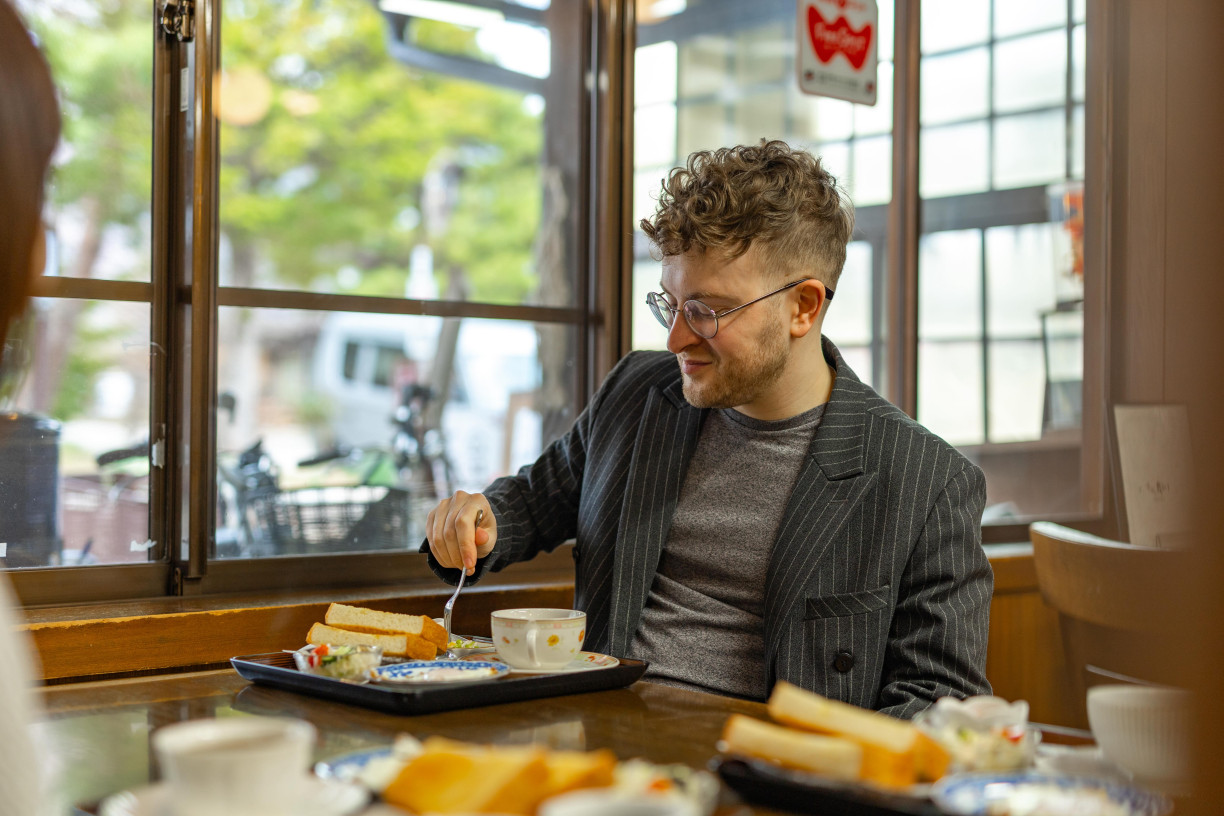
Ease into your day with breakfast in rural Japan (Fabien Recoquille)
There’s an unhurried charm here, where locals and visitors alike gather to ease into the day, making it feel less like a meal and more like being welcomed into the community.
Fukuzenji Soba
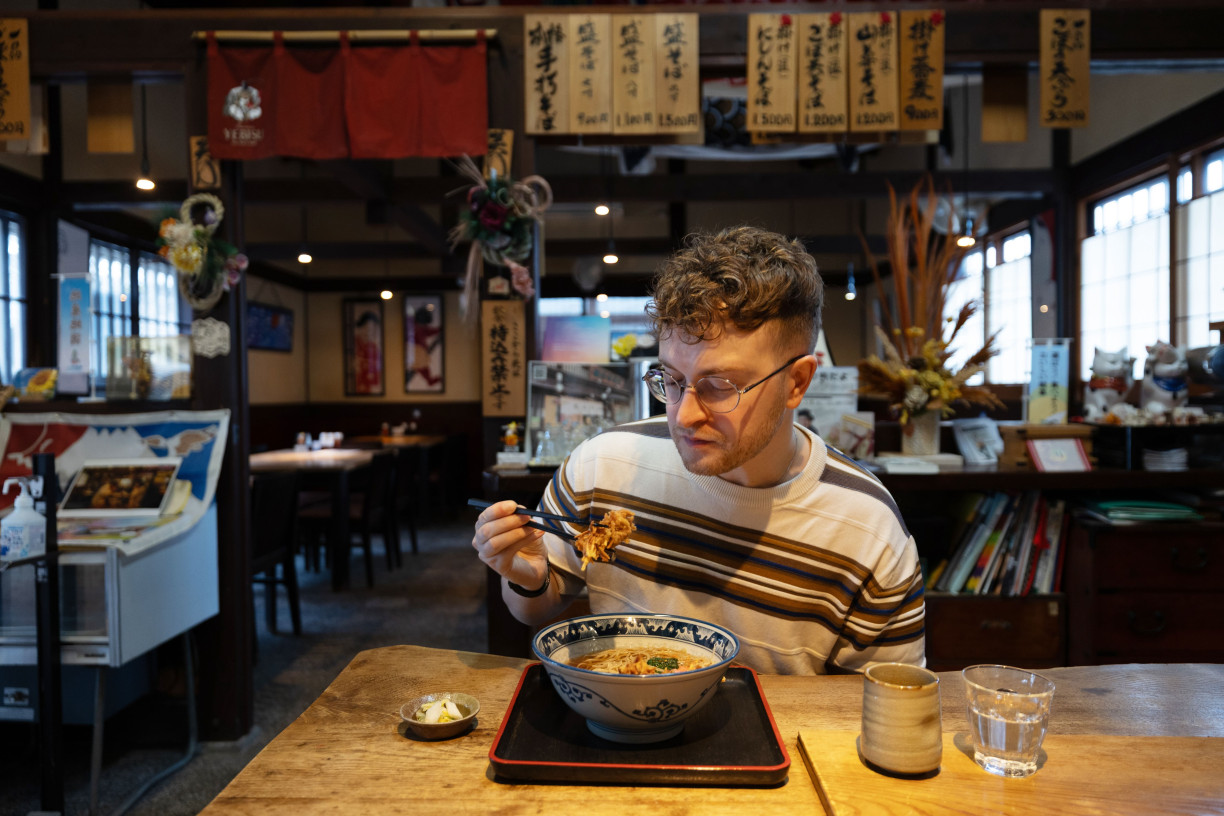
Gobou burdock soba at Fukuzenji Soba (Fabien Recoquille)
At Fukuzenji Soba, every bowl tells a story of Hida’s land and seasons. The noodles are handmade using buckwheat grown in the nearby Hida Nagareha region, giving them a rich, earthy flavor that defines true local soba.
Fresh vegetables arrive daily from the Santera Meguri Morning Market next door, reinforcing the restaurant’s deep connection to the community—so much so that it’s officially recognized by Gifu Prefecture for its use of regional produce. Whether you opt for the indulgent Hida beef soba or the fragrant gobou burdock tempura soba, each dish feels rooted in place.
With vegan and halal-friendly options also available, Fukuzenji offers an inclusive, authentic taste of Hida, where local ingredients and thoughtful preparation come together in every bite.
Shunsai Oteate
Shunsai Oteate (Fabien Recoquille)
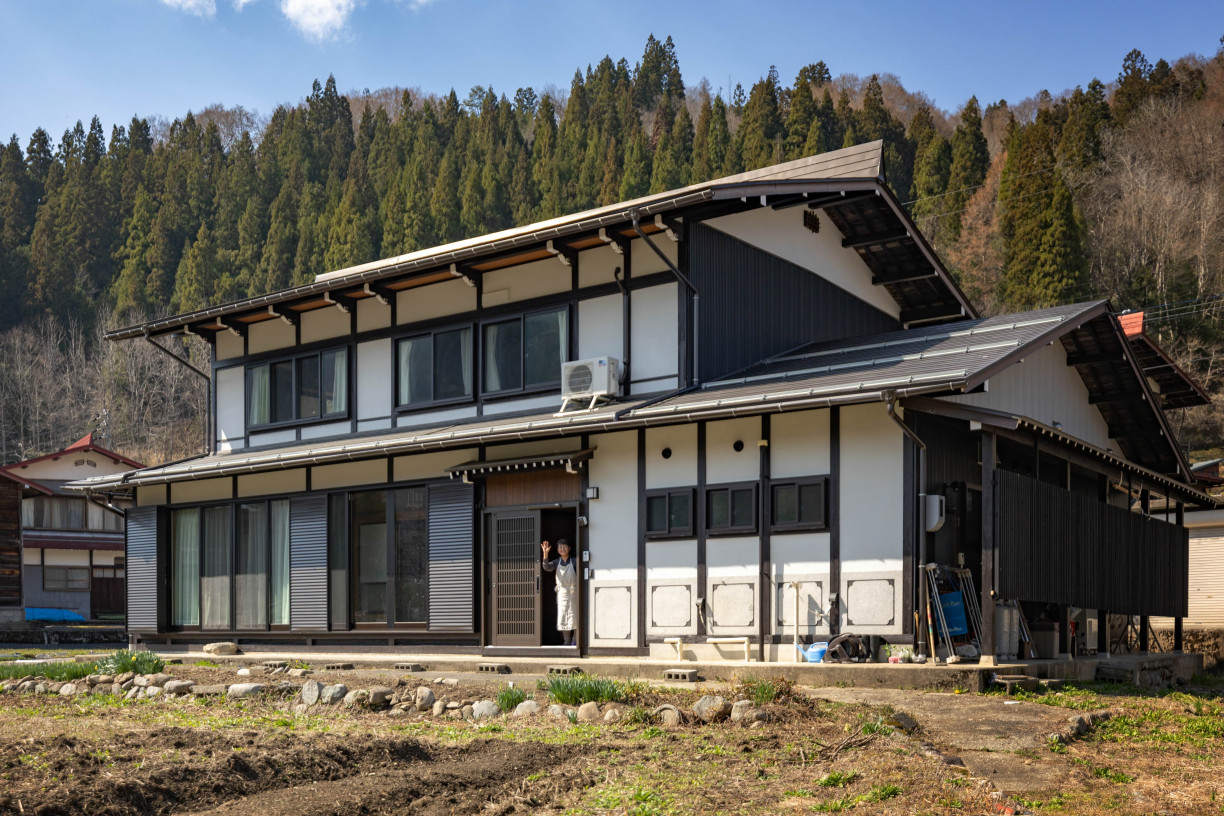
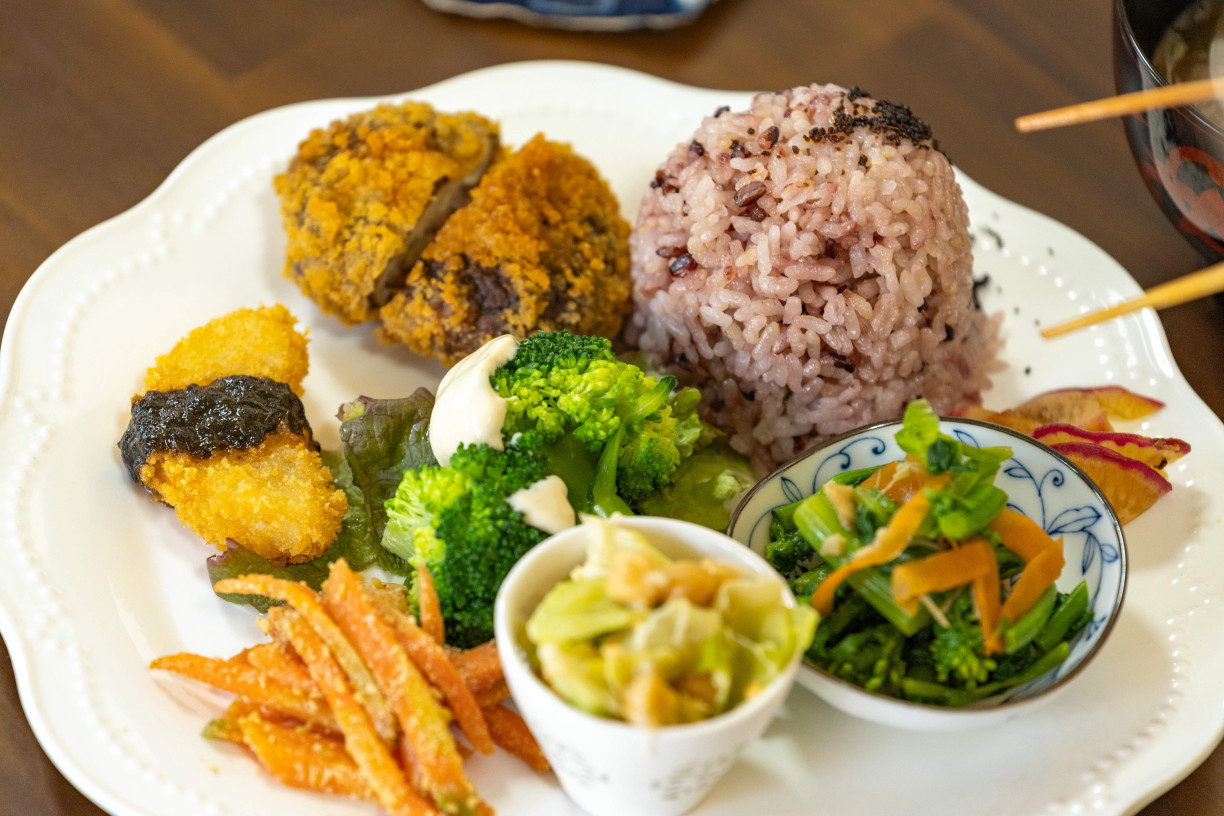
Tucked into the peaceful countryside, Shunsai Oteate offers more than just a meal—it offers a way of life. Run by a passionate owner who left the fast pace of Nagoya in search of something more grounded, this intimate spot brings macrobiotic, vegan-friendly cooking to the heart of Hida.
A completely vegan meal at Shunsai Oteate (Fabien Recoquille)
Each dish is carefully prepared, highlighting natural flavors and seasonal ingredients that nourish both body and mind. But what truly sets the experience apart is the sense of connection—conversation flows as easily as the tea, and guests are welcomed like old friends.
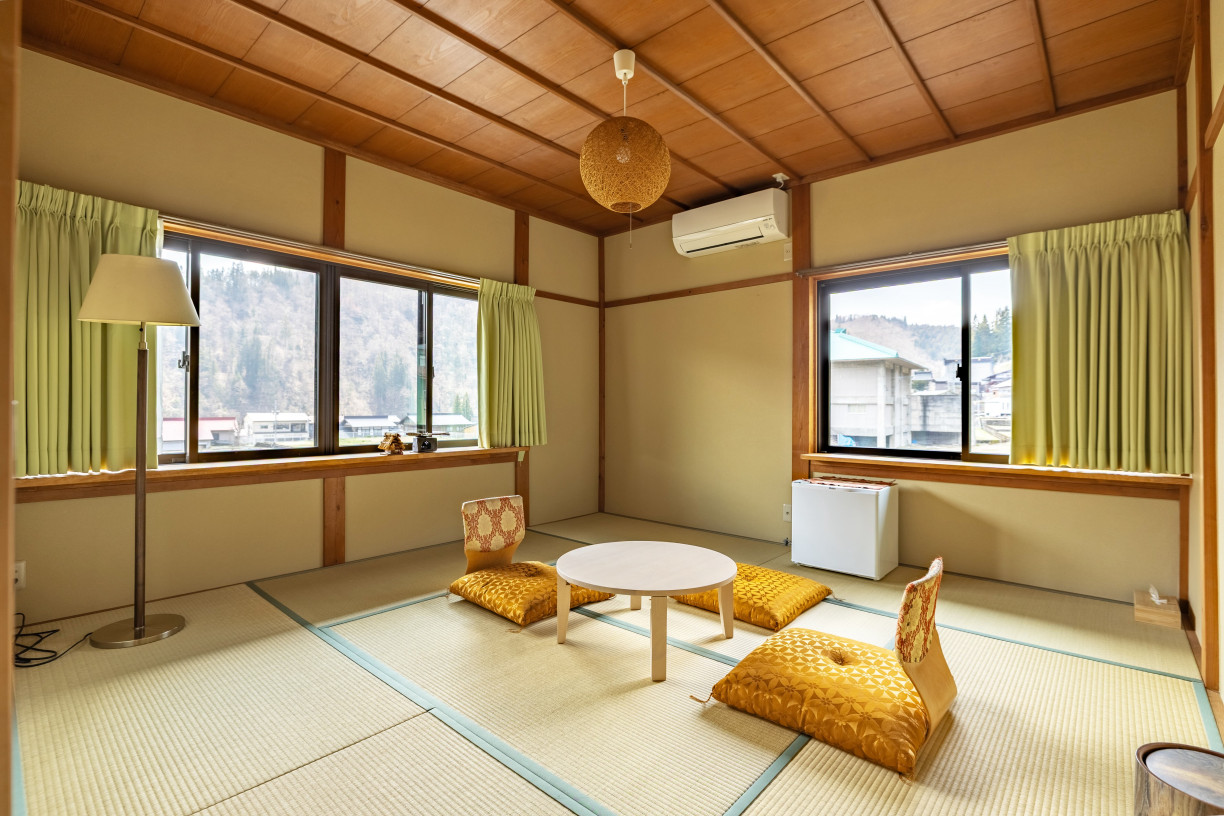
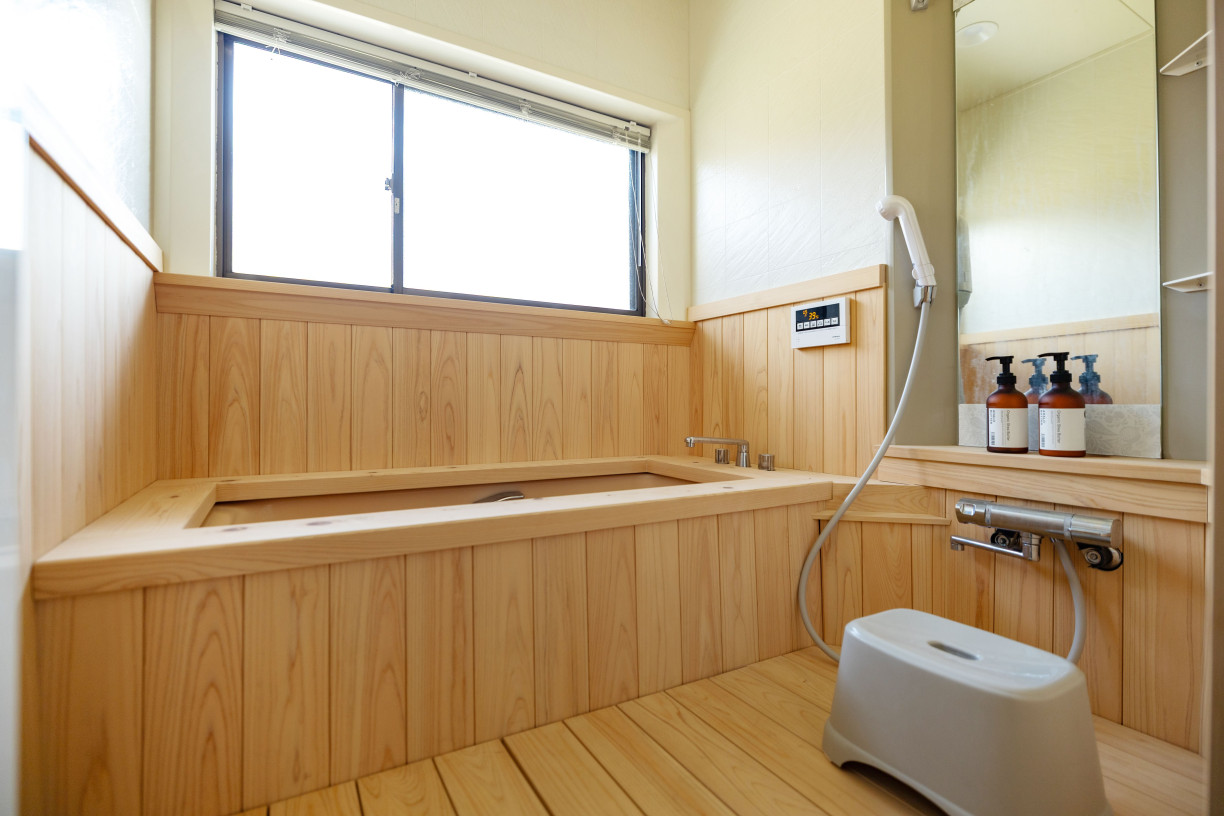
With the option to stay overnight through Airbnb, you can fully immerse yourself in the slower rhythm of rural Japan, where good food, thoughtful living, and human connection take center stage.
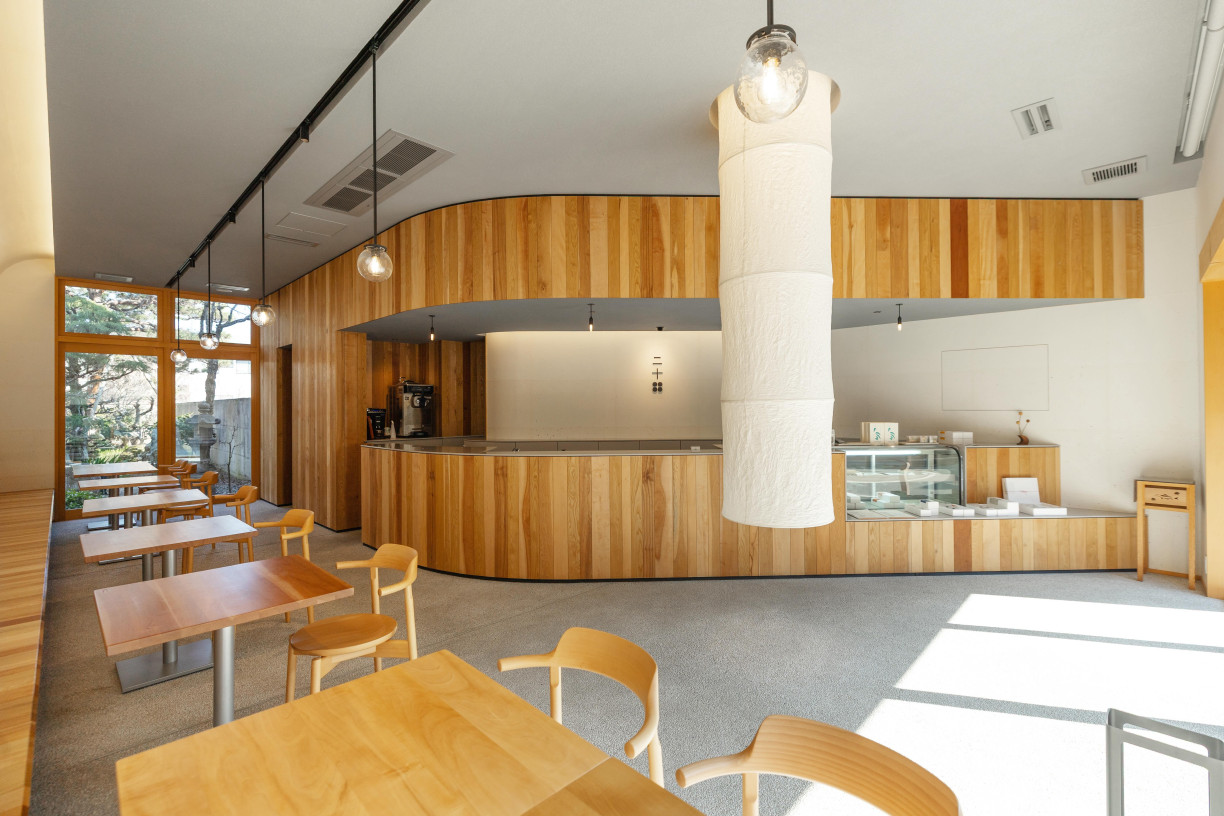
Nijushi (24)
Nijushi café (Fabien Recoquille)
Nijushi is a café that quietly captures the beauty of passing time. Named after Japan’s 24 micro seasons and the 24 hours of the day, it reflects a deep appreciation for subtle change and thoughtful living. Inside, the space is calm and refined, with every detail—from materials to presentation—carefully chosen to celebrate local craftsmanship.
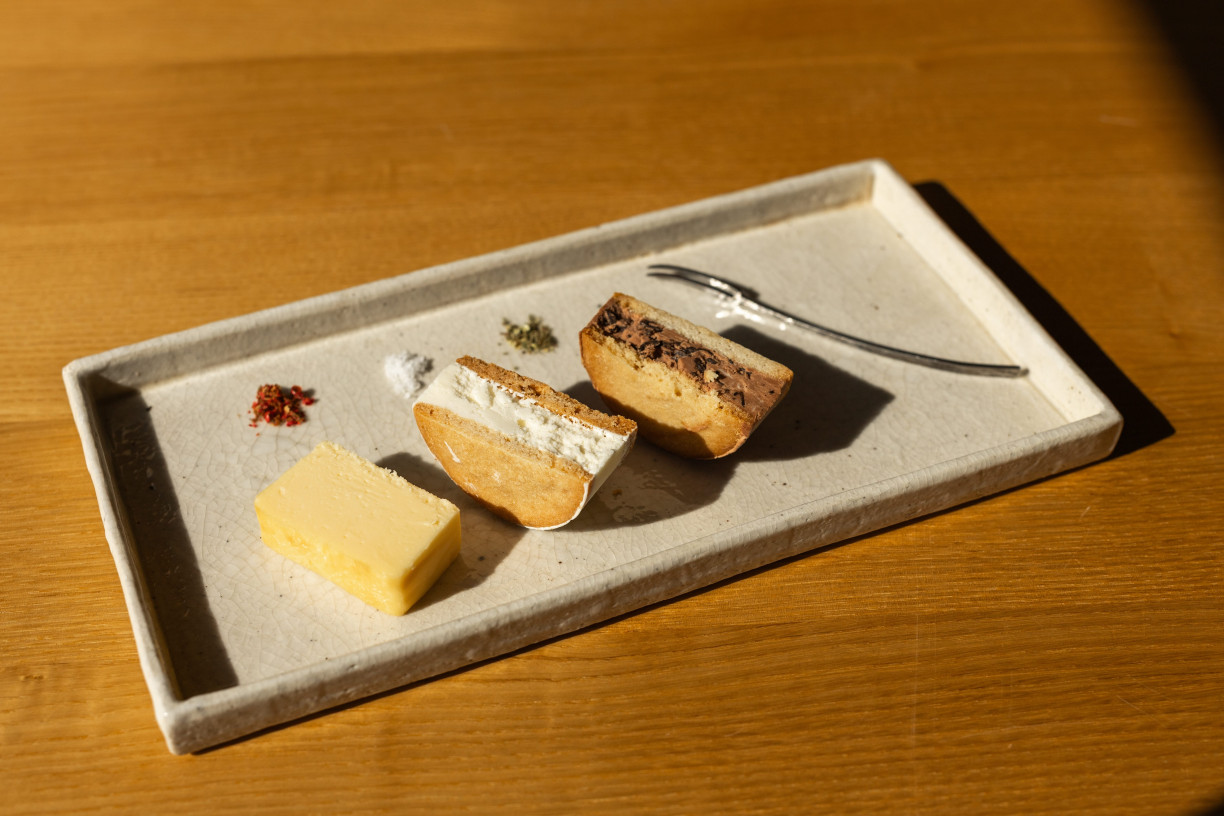
Cheese terrine and cheese butter cookie sandwiches (Fabien Recoquille)
The menu follows suit, featuring delicate handmade sweets such as cheese terrine, cheese butter cookie sandwiches, and sesame pudding. In summer, the soft-serve ice cream made with rich Jersey milk from Hida Furukawa is a highlight.
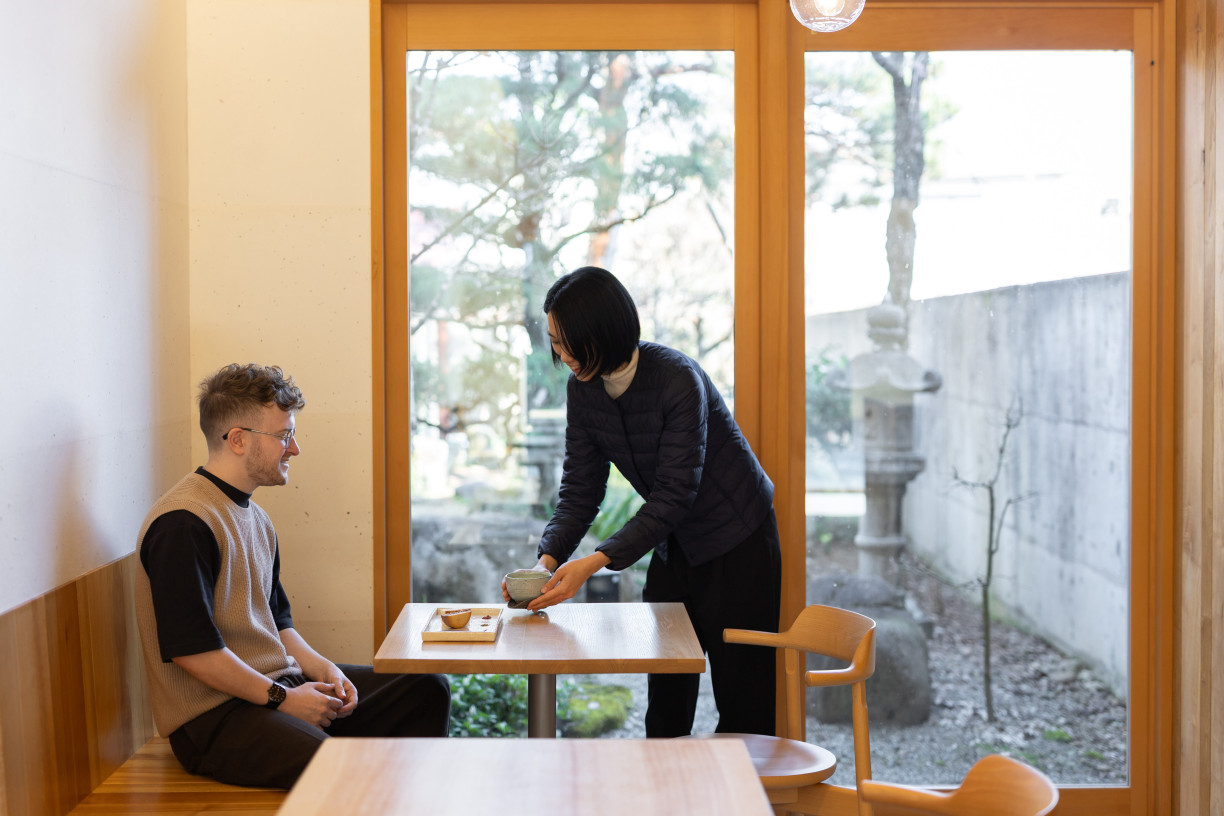
Being served at Nijushi (Fabien Recoquille)
Whether you stop in for a quick treat or linger a little longer, taking in the different flowers and trees in the Japanese garden, Nijushi offers a serene pause—one that feels both contemporary and built on a foundation of local tradition.
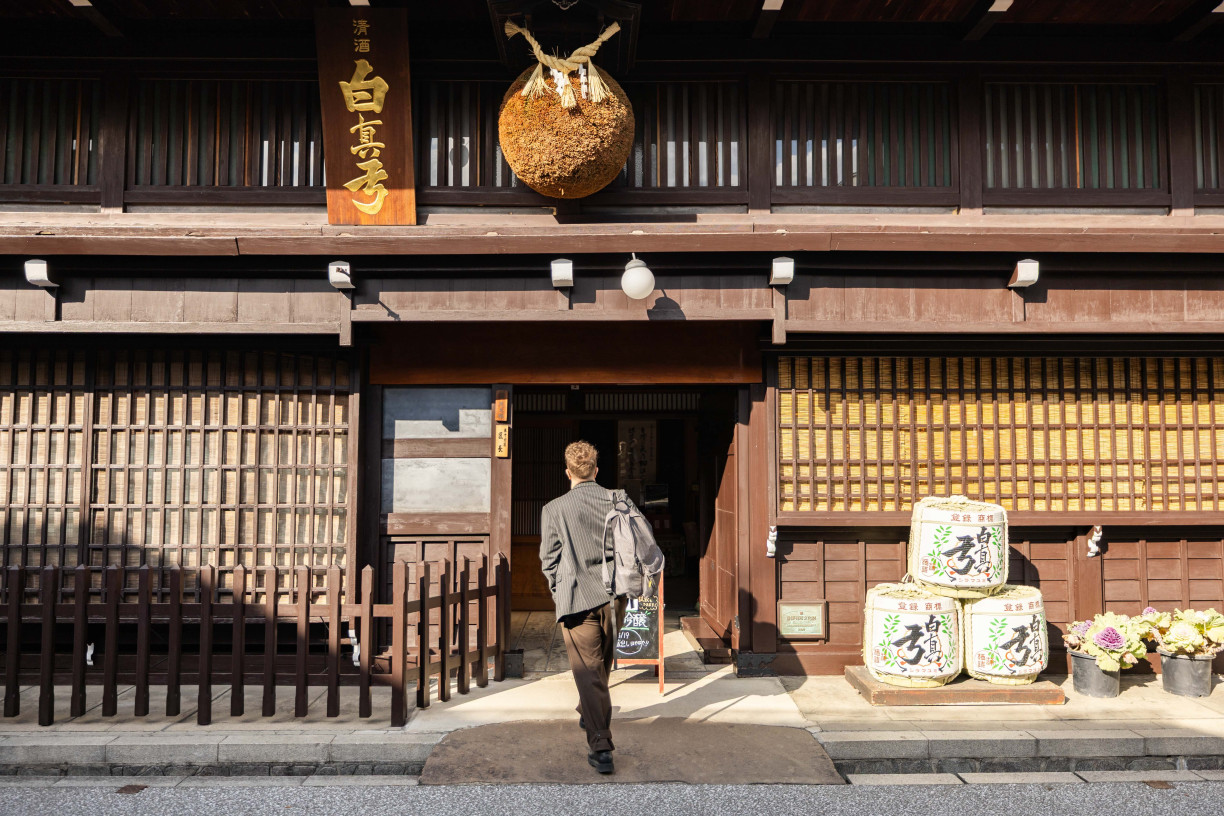
Kaba Sake Brewery
Walking into Kaba Sake Brewery (Fabien Recoquille)
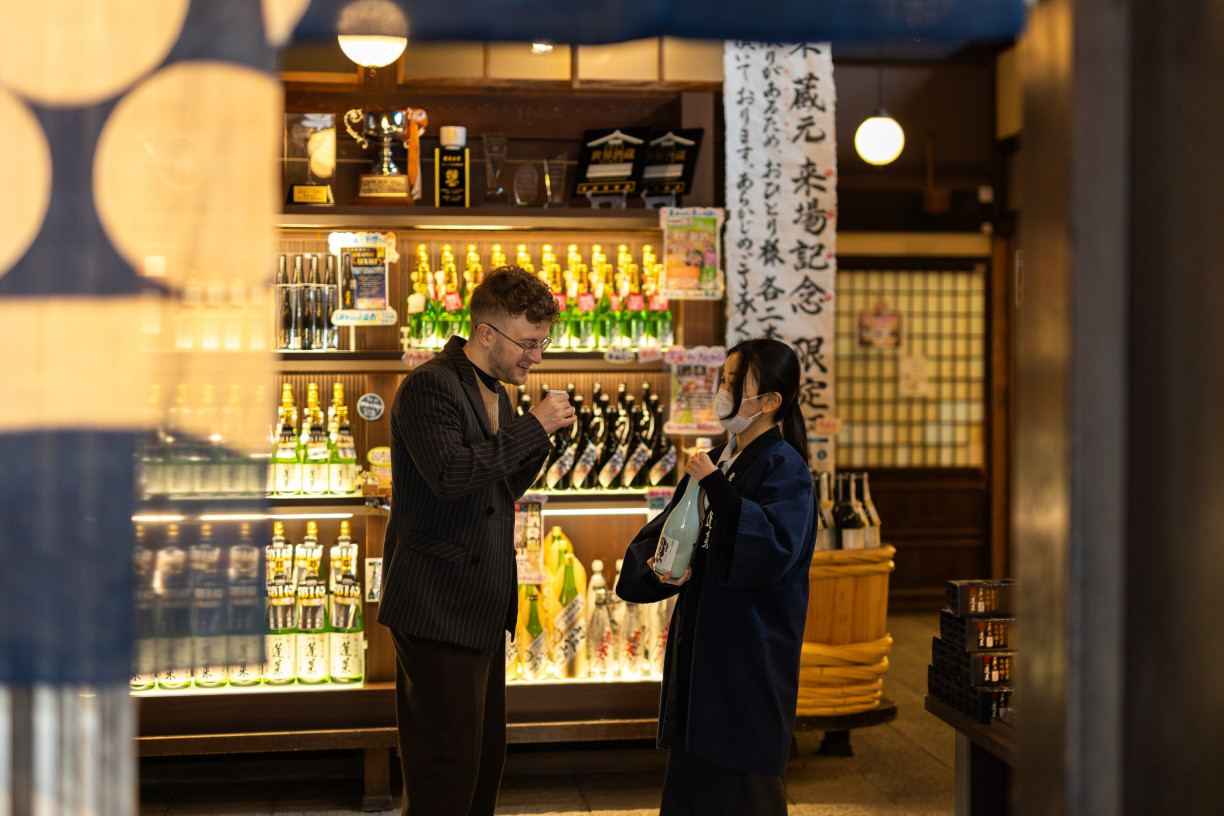
Kaba Sake Brewery invites you to experience Hida Furukawa through one of its most beloved traditions—sake brewing. With a focus on quality and local ingredients, the brewery produces a range of carefully crafted drinks that reflect the region’s clean water and climate.
Sampling sake with staff (Fabien Recoquille)
A standout is their umeshu plum wine, balancing sweetness and depth in a way that feels both refreshing and indulgent. Visiting the brewery offers more than just a tasting; it’s a chance to connect with a craft that has long been part of daily life in Hida.
There’s a quiet pride here, where each bottle carries not just flavor, but a sense of place and expertise passed down through generations.
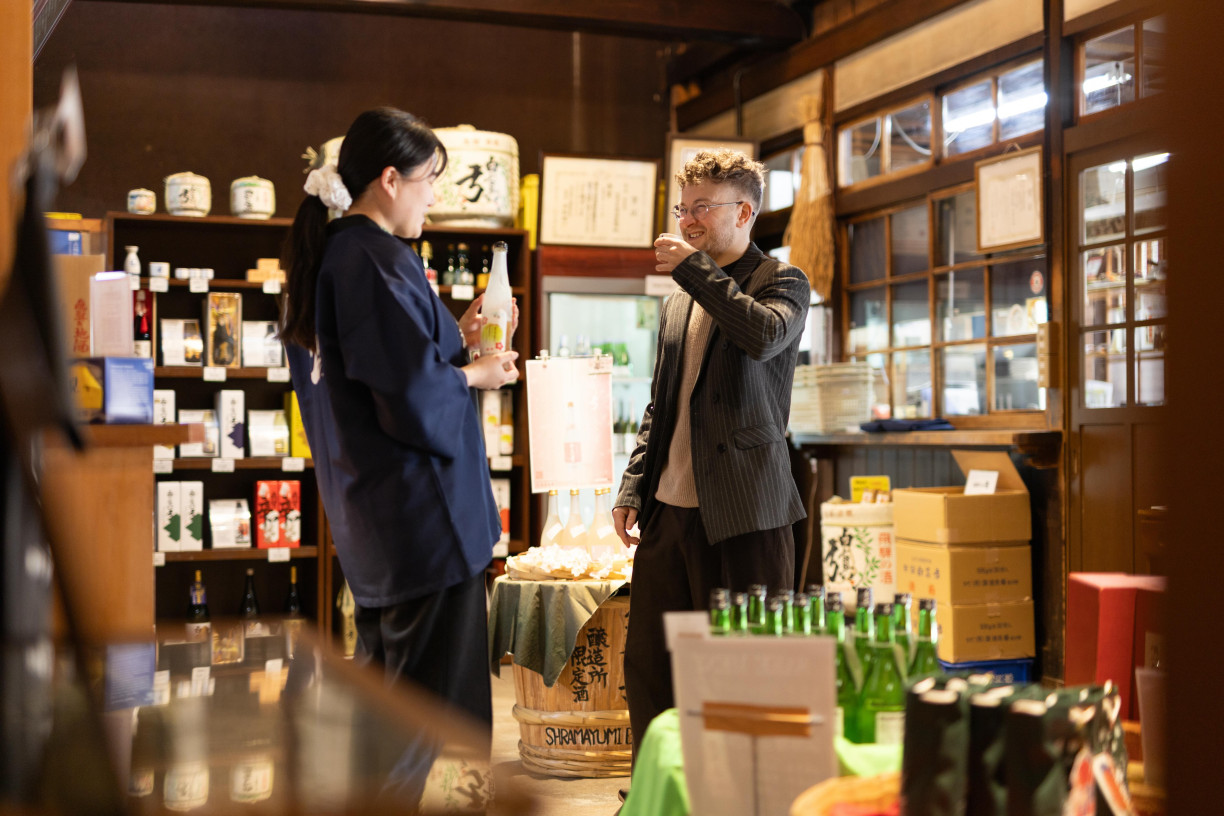
Watanabe Sake Brewery
Learning about sake at Watanabe Sake Brewery (Fabien Recoquille)
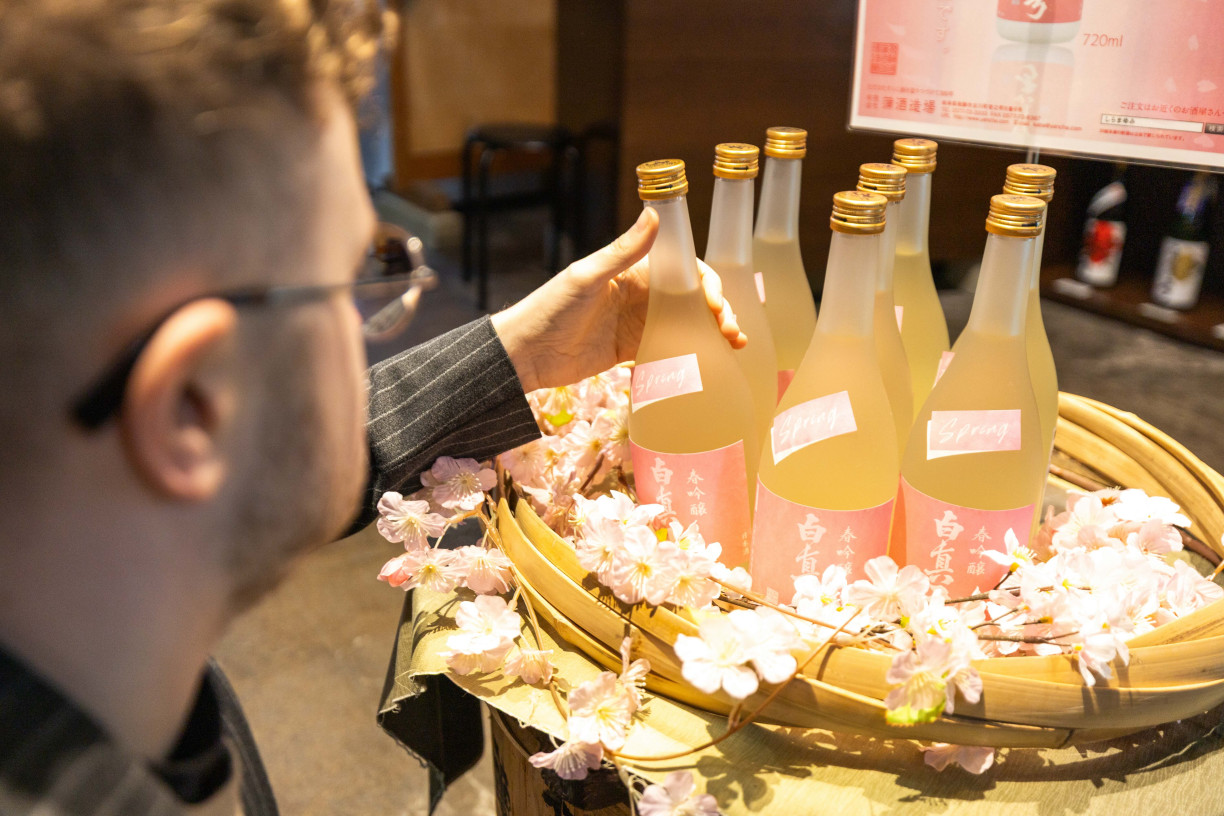
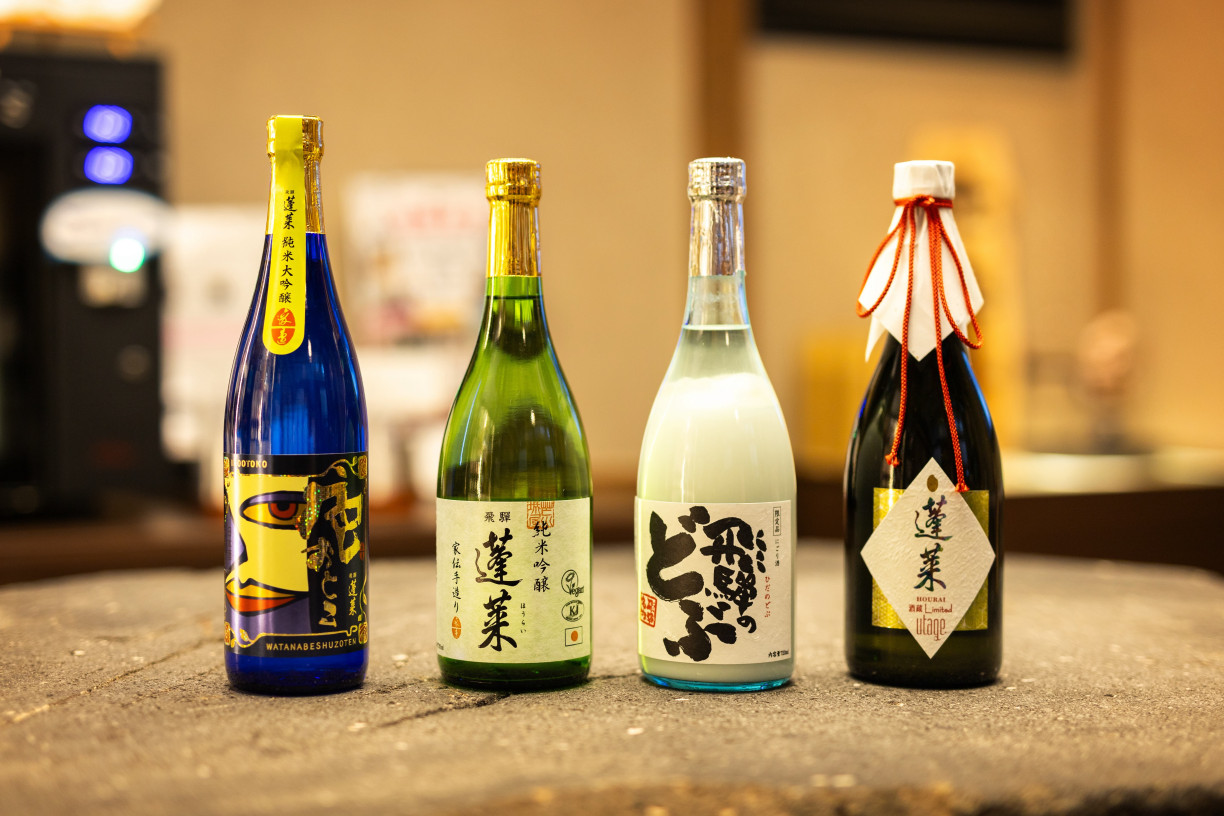
At Watanabe Sake Brewery, freshness and craftsmanship take center stage. Known for its lively and approachable atmosphere, this historic brewery offers visitors the chance to sample a wide variety of sake, including creamy nigori and refined daiginjo.
One of the most memorable aspects is tasting a selection of seasonal sake, each highlighting the vibrancy and nuance of different brewing methods and ingredients. The brewery’s connection to the community is unmistakable, with a welcoming spirit that encourages conversation and discovery.
A selection of Watanabe sake on offer (Fabien Recoquille)
Whether you’re a seasoned sake enthusiast or a curious first-timer, Watanabe offers an engaging, authentic glimpse into Hida’s brewing heritage.
Experience Hida Furukawa’s heart
Furukawa Festival
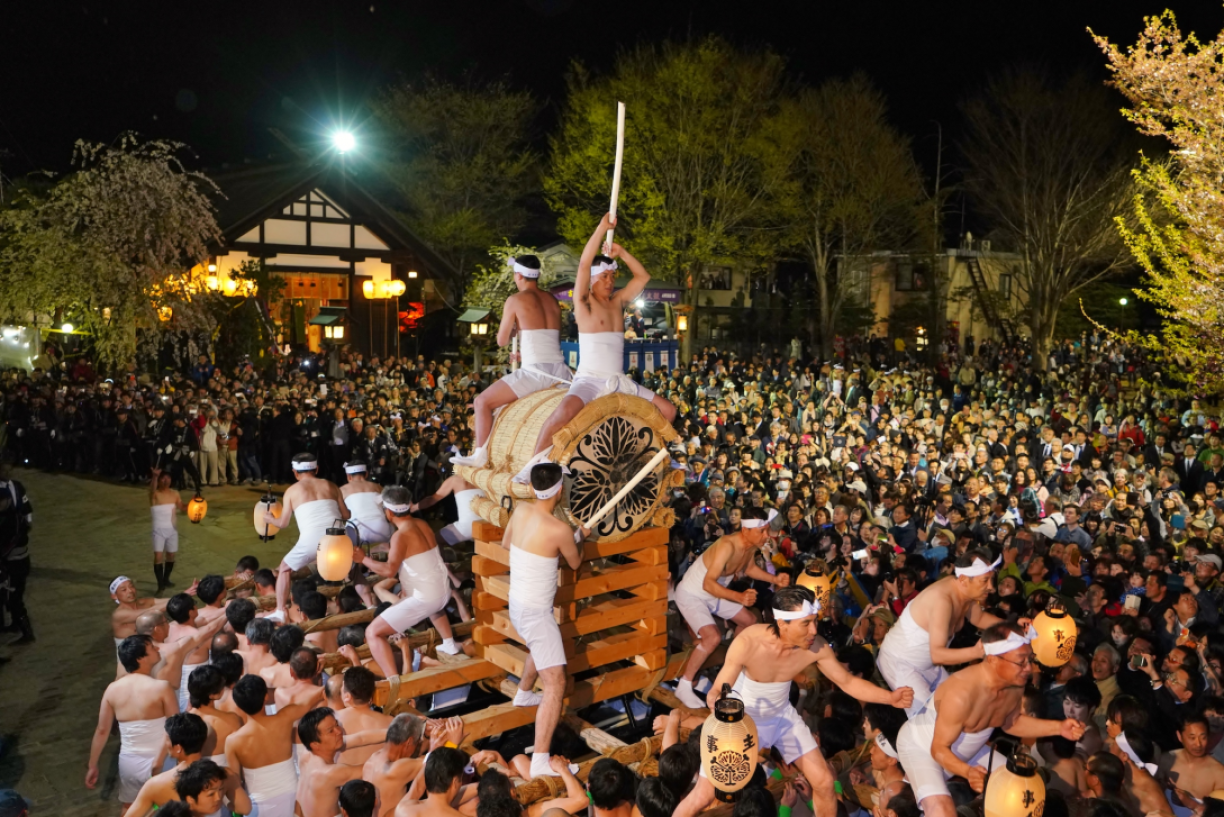
The Furukawa Festival is the beating heart of the town—a celebration where tradition, craftsmanship, and community come together in spectacular fashion.
Furukawa Festival Okoshi-Daiko parade (Hida City)
Held each spring, the festival is famous for its beautifully adorned floats, dramatic evening processions, and the powerful Okoshi Daiko drum ritual. But beyond the visual spectacle, it’s the sense of unity that defines the experience.
Preparations begin weeks in advance, with people of all ages working side by side to bring the event to life; skills are passed down, new friendships are forged, and a shared pride fills the streets.
Byakkotai Float & Children’s Kabuki
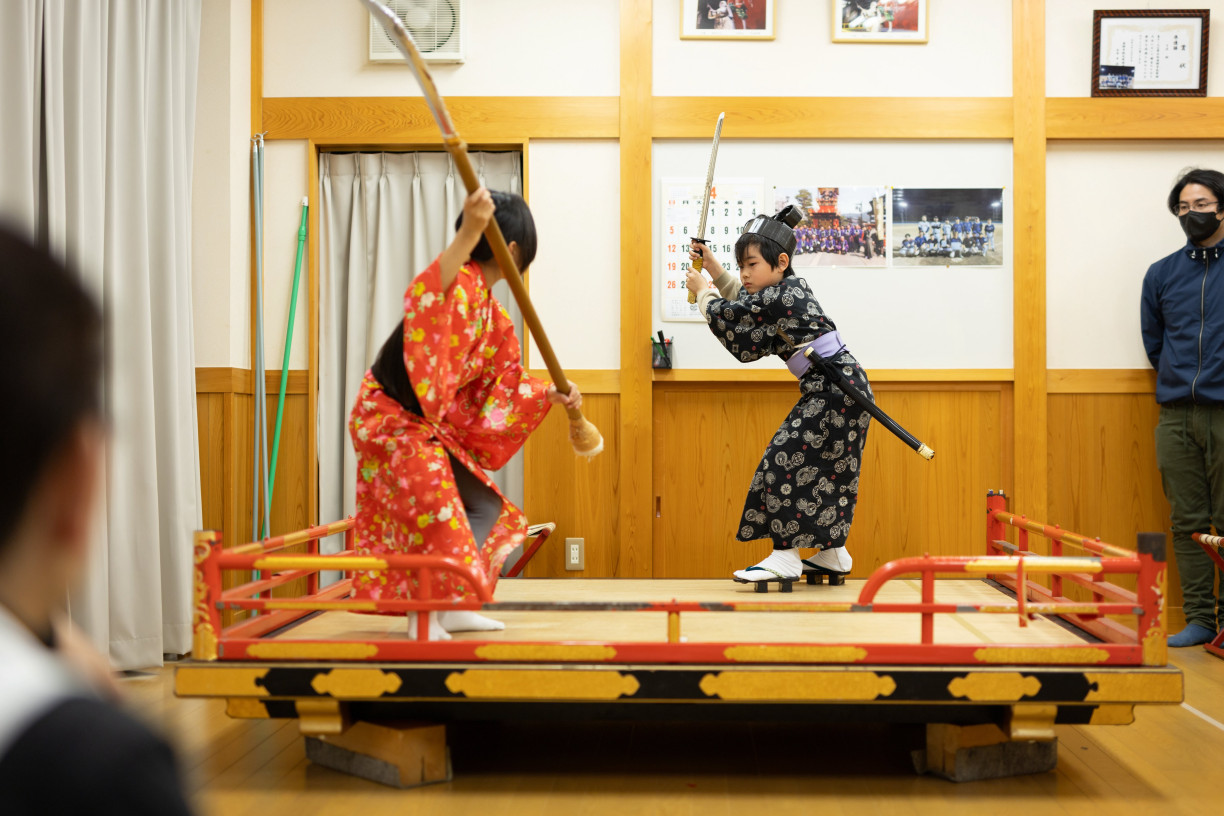
Practicing the kabuki performances for the Byakkotai Float (Fabien Recoquille)
The Byakkotai Float and children’s kabuki performances showcase the future of Hida Furukawa’s traditions. Young performers take to the stage with remarkable poise, bringing centuries-old stories to life through carefully practiced movements and vibrant costumes.
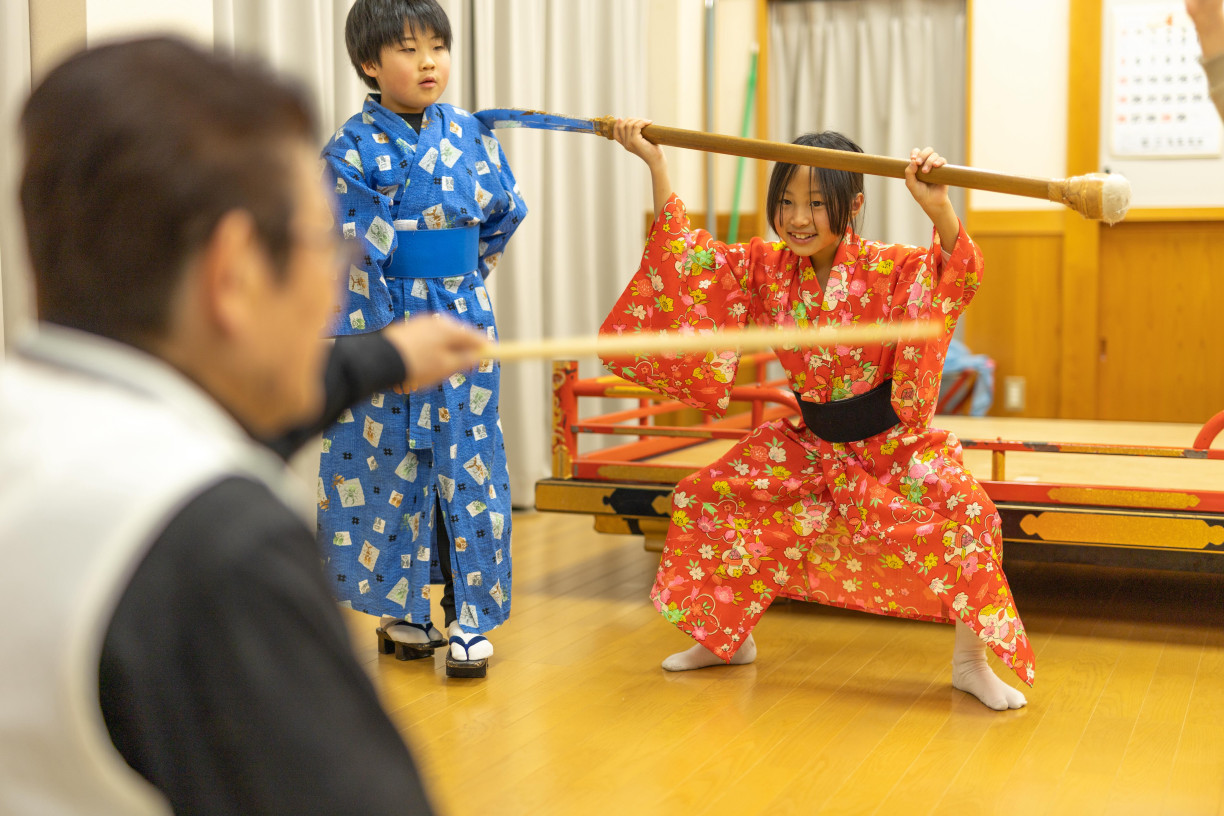
Practicing poses for the Furukawa Festival (Fabien Recoquille)
Their dedication reflects weeks of preparation, guided by older generations who pass on both technique and meaning. The float itself is a work of art, intricately decorated and proudly paraded through the streets.
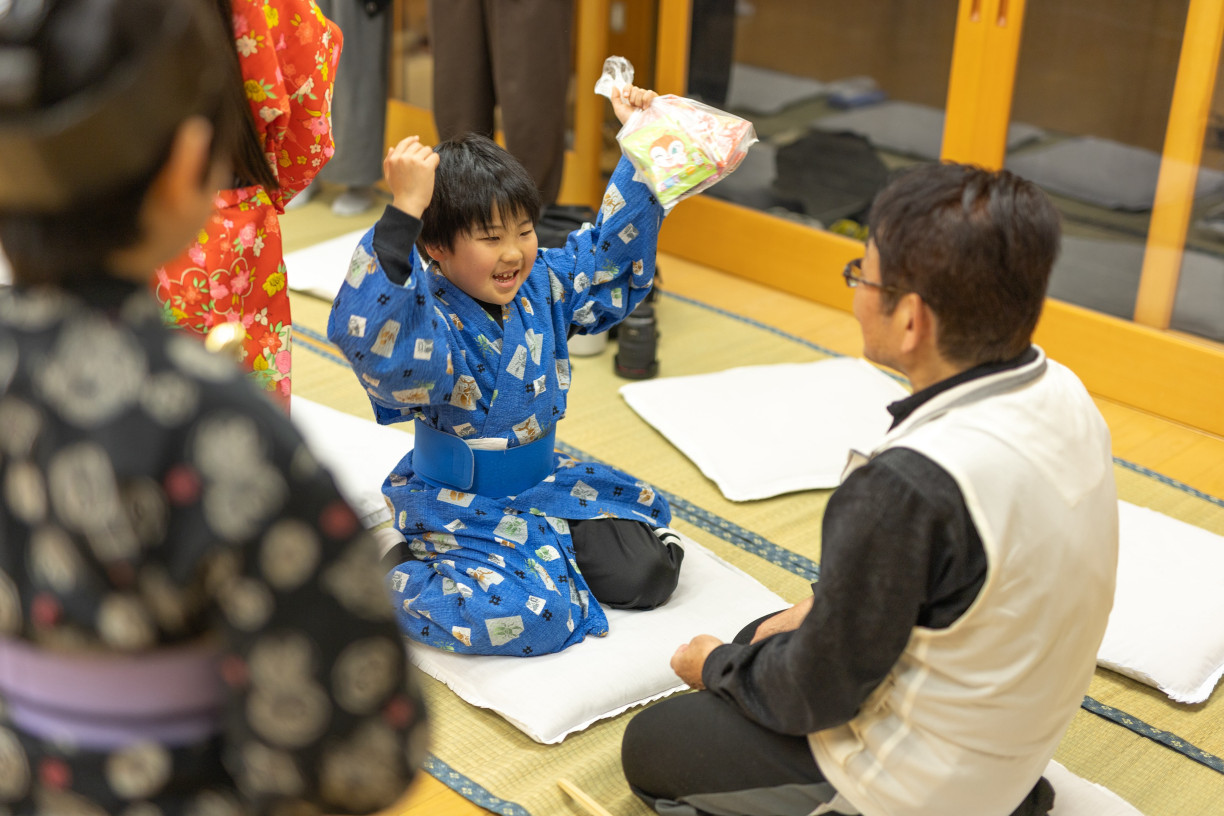
Getting sweets after practice (Fabien Recoquille)
Together, the performance and procession highlight a powerful sense of continuity—where tradition is not simply preserved, but actively lived and shared, ensuring it remains a vital part of the community for years to come.
Kaguradai & Shishimai Lion Dance
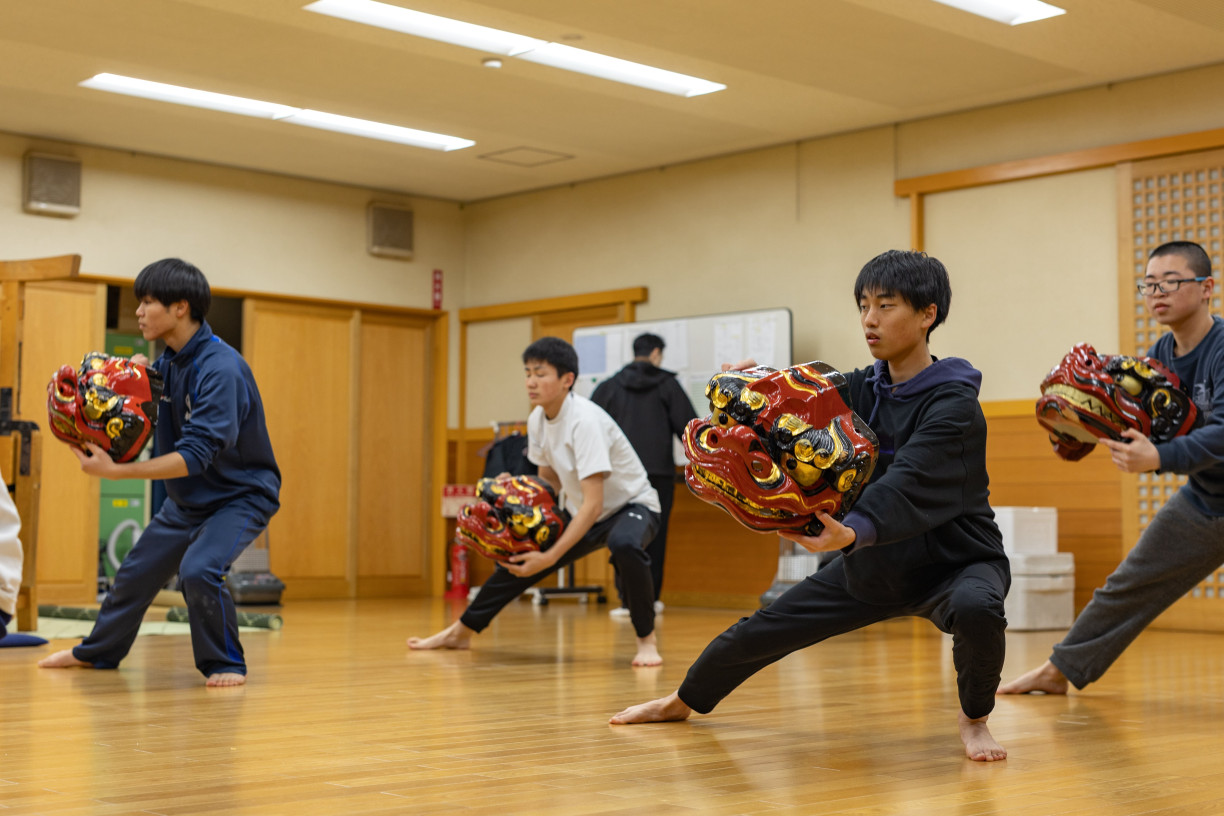
Shishimai lion dance practice for the Kaguradai Float (Fabien Recoquille)
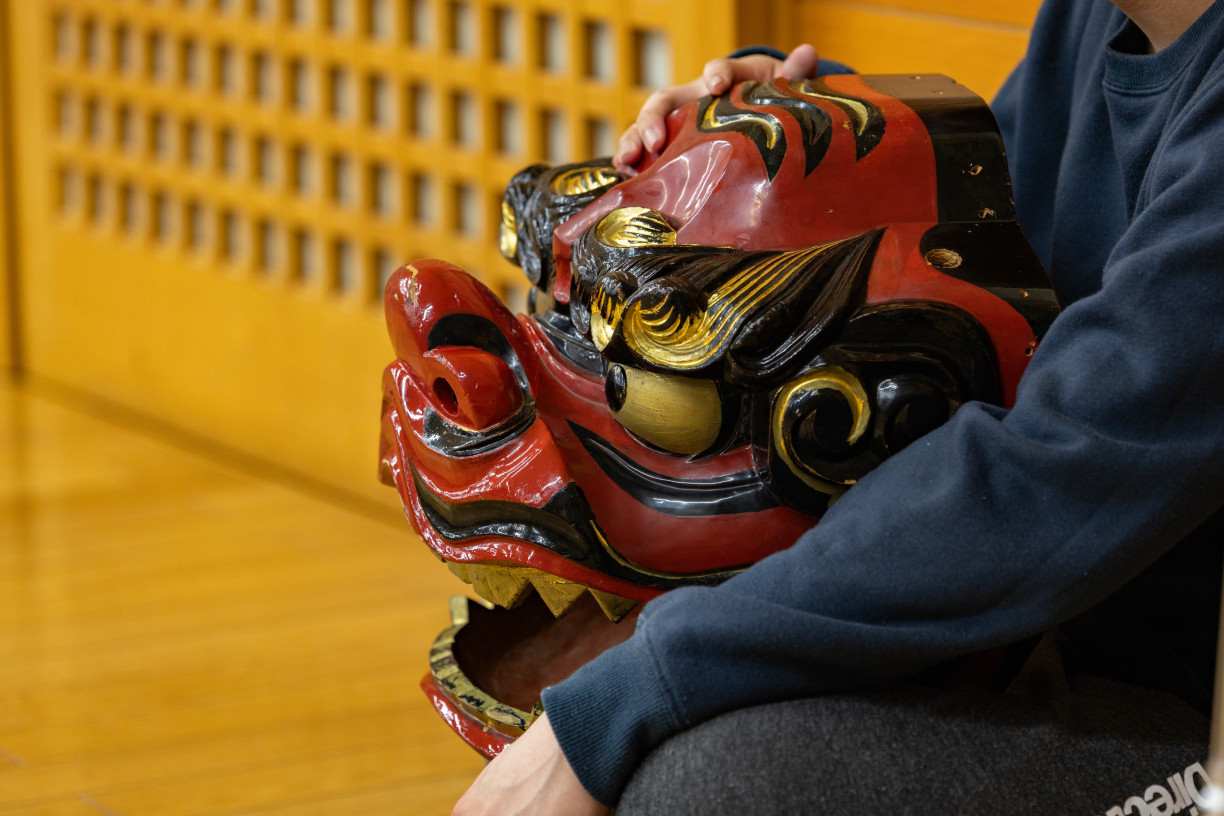
The Kaguradai and shishimai lion dance add a dynamic, spiritual energy to the Furukawa Festival. Accompanied by rhythmic music, the lions move through the streets with a lively, almost playful intensity, believed to bring good fortune and ward off evil spirits.
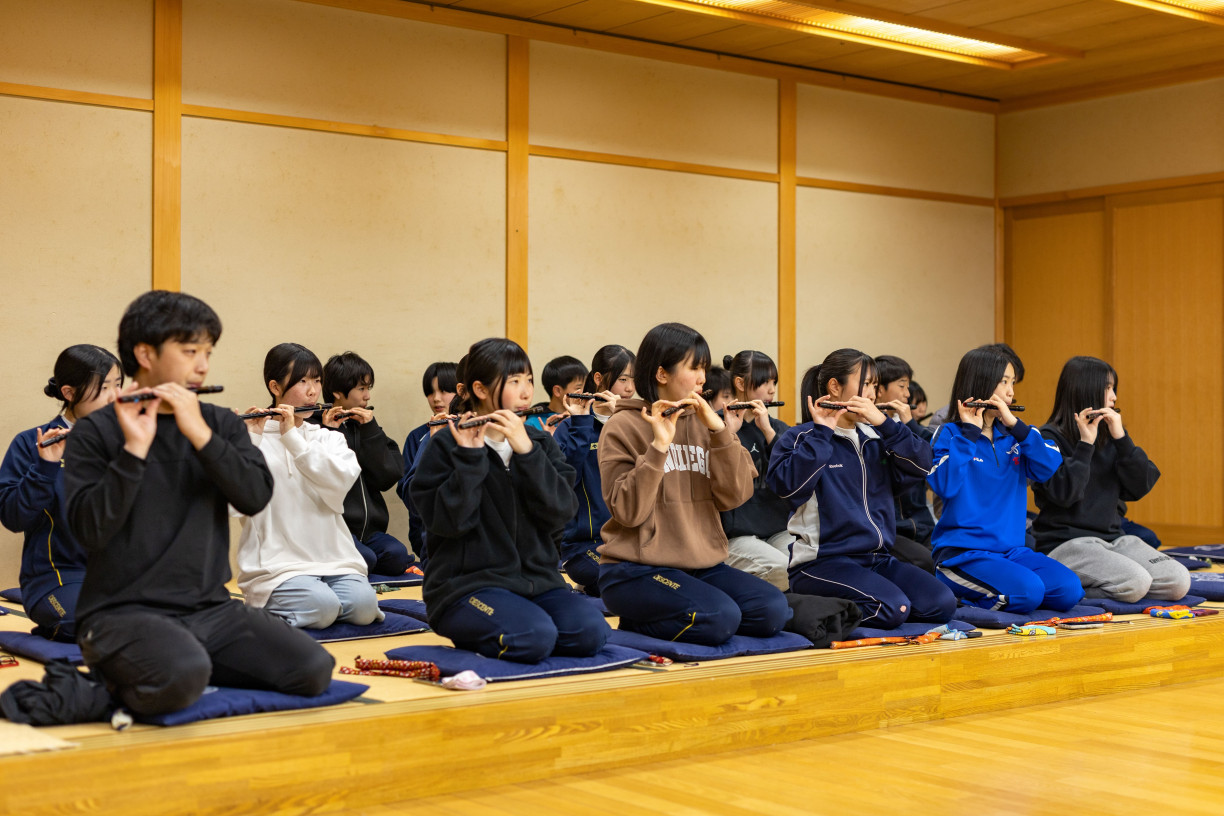
Accompanying kaguradai music (Fabien Recoquille)
The kaguradai float, adorned with detailed carvings and traditional motifs, serves as a stage and a symbol of cultural pride. As with every element of the festival, these performances are deeply collaborative—local residents dedicate their time and energy to rehearsing, crafting, and performing together.
A close-up shot of a shishimai lion mask (Fabien Recoquille)
The result is more than just a spectacle; it’s a shared expression of identity, where community bonds are strengthened through rhythm, movement, and tradition—and the post-practice sweets and drinks don’t hurt, either!
Hida Furukawa Festival Exhibition Hall
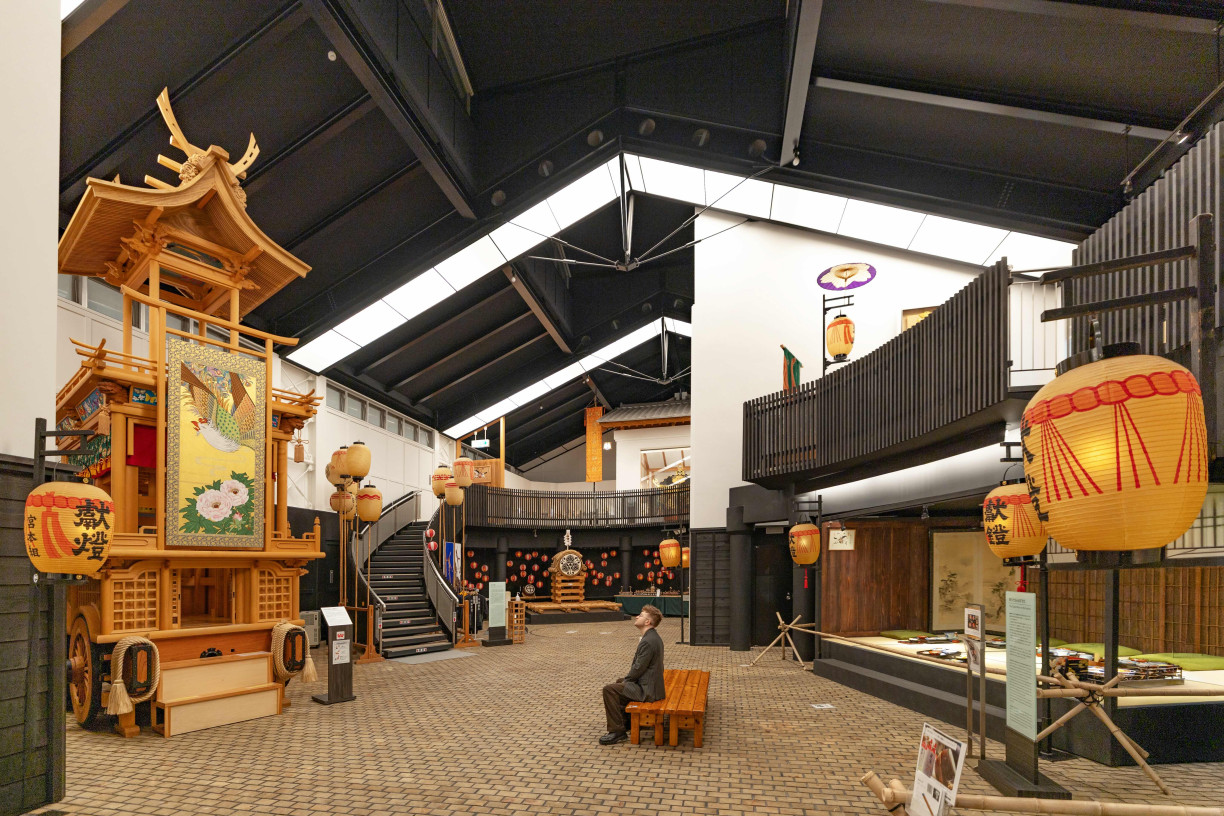
Hida Furukawa Festival Exhibition Hall (Fabien Recoquille)
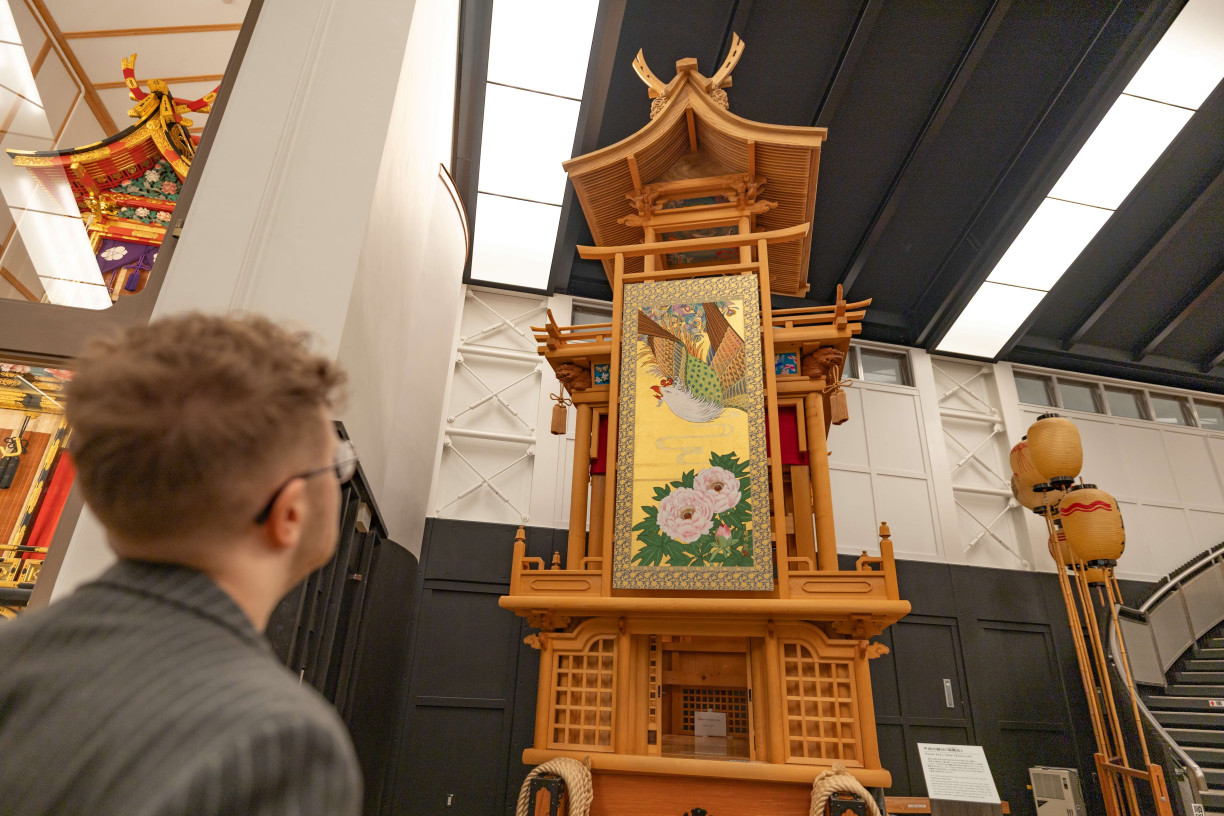
The Hida Furukawa Festival Exhibition Hall offers an unexpectedly expansive look into one of Japan’s most celebrated local festivals. Spacious and thoughtfully designed, the hall showcases the elaborate floats, intricate craftsmanship, and vibrant traditions that define the annual event. Despite its scale, it remains affordable and easy to explore at your own pace.
Looking up at the Furukawa Festival float (Fabien Recoquille)
A highlight of the visit is a 20-minute 4K film that brings the festival to life, capturing the energy, music, and community spirit. Whether you’re visiting during the festival or not, the exhibition hall provides valuable context and a deeper appreciation for this cultural cornerstone of Hida Furukawa.
Spring’s koi relocation to Setogawa Canal
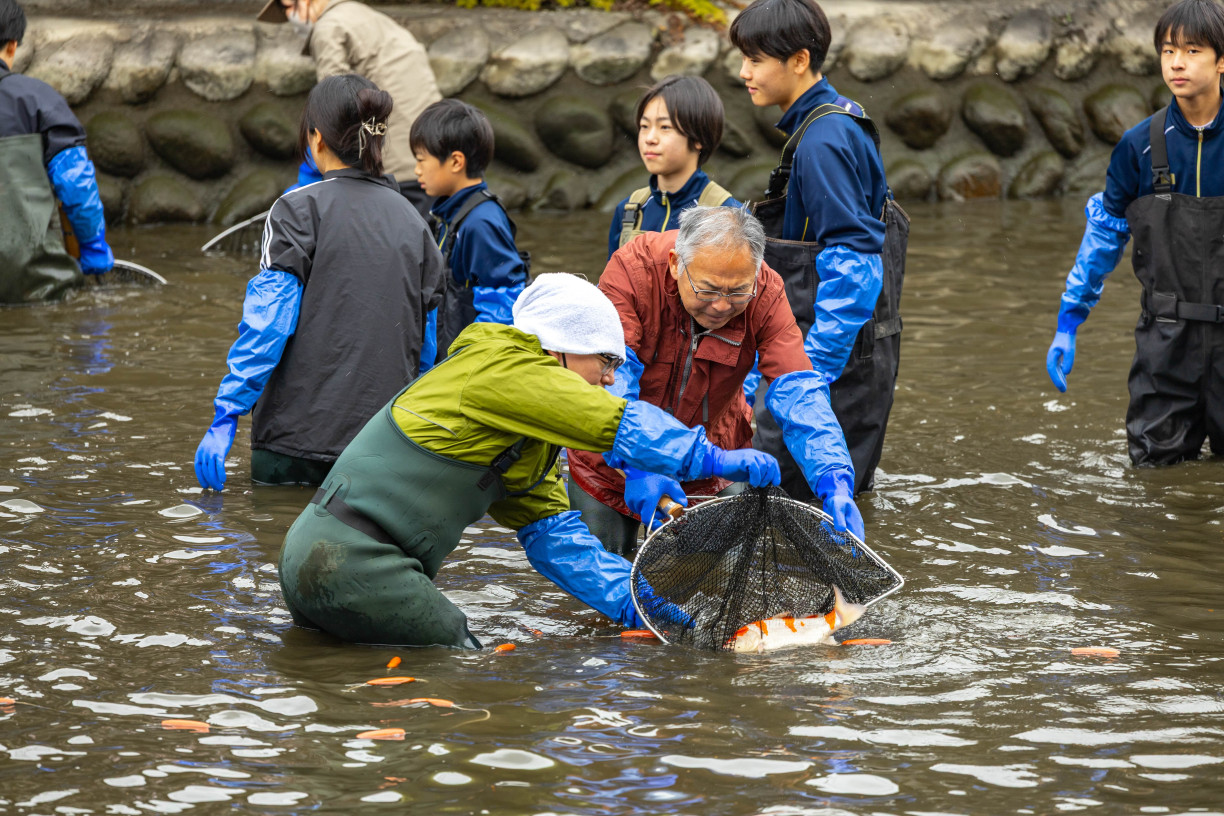
Locals working together to relocate the koi for spring (Fabien Recoquille)
Each year, as winter loosens its grip on Hida Furukawa, one of the town’s most joyful traditions begins. Throughout the colder months, the koi are temporarily moved from the Setogawa Canal to Tenjin Pond, allowing heavy snowfall to be cleared directly into the waterways. It’s a practical ritual born of necessity—but come spring, it transforms into something far more meaningful.
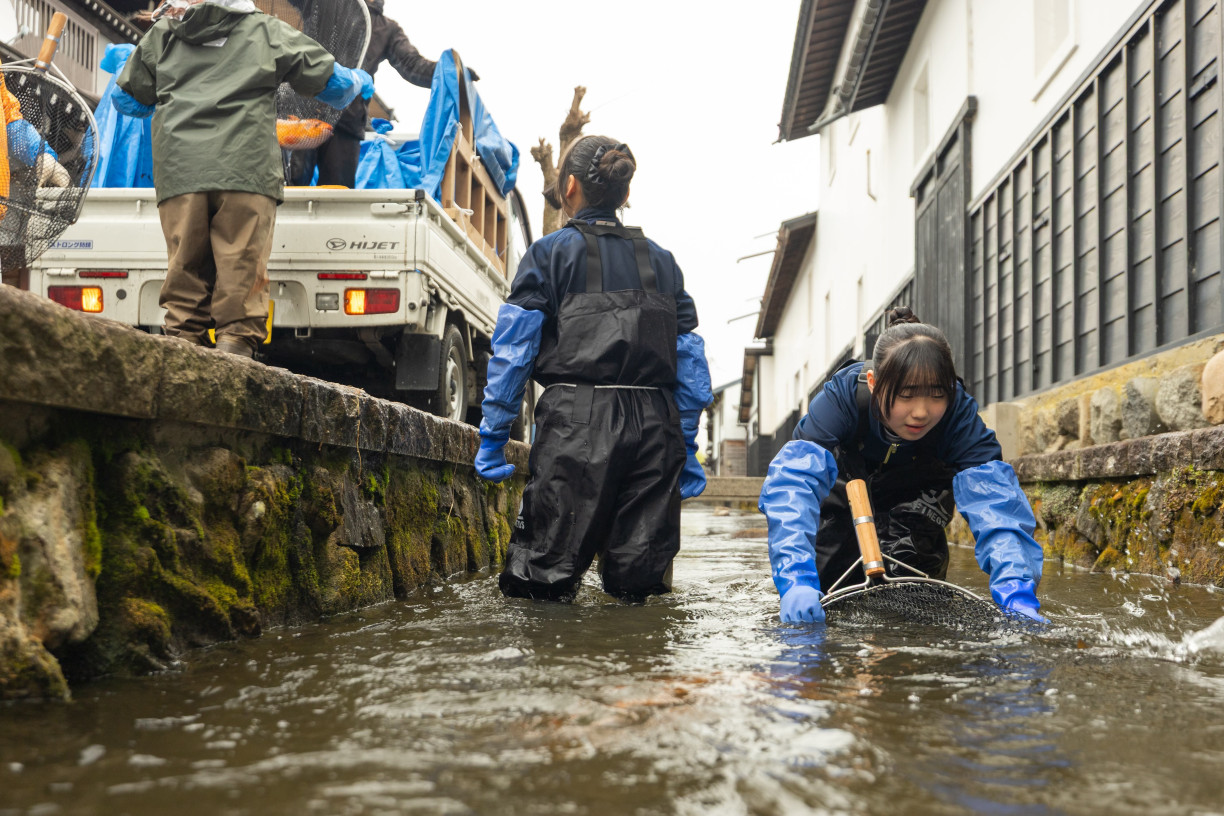
High schoolers releasing koi into the Seto Canal (Fabien Recoquille)
As the first cherry blossoms begin to bloom, signalling the changing season, the community gathers to return the koi to their home. Residents of all ages and local volunteers wade into the pond with nets in hand. Laughter and the occasional splash punctuate the scene, with high school students screaming in surprise and delight as they attempt to corral the shimmering fish towards a waiting net.
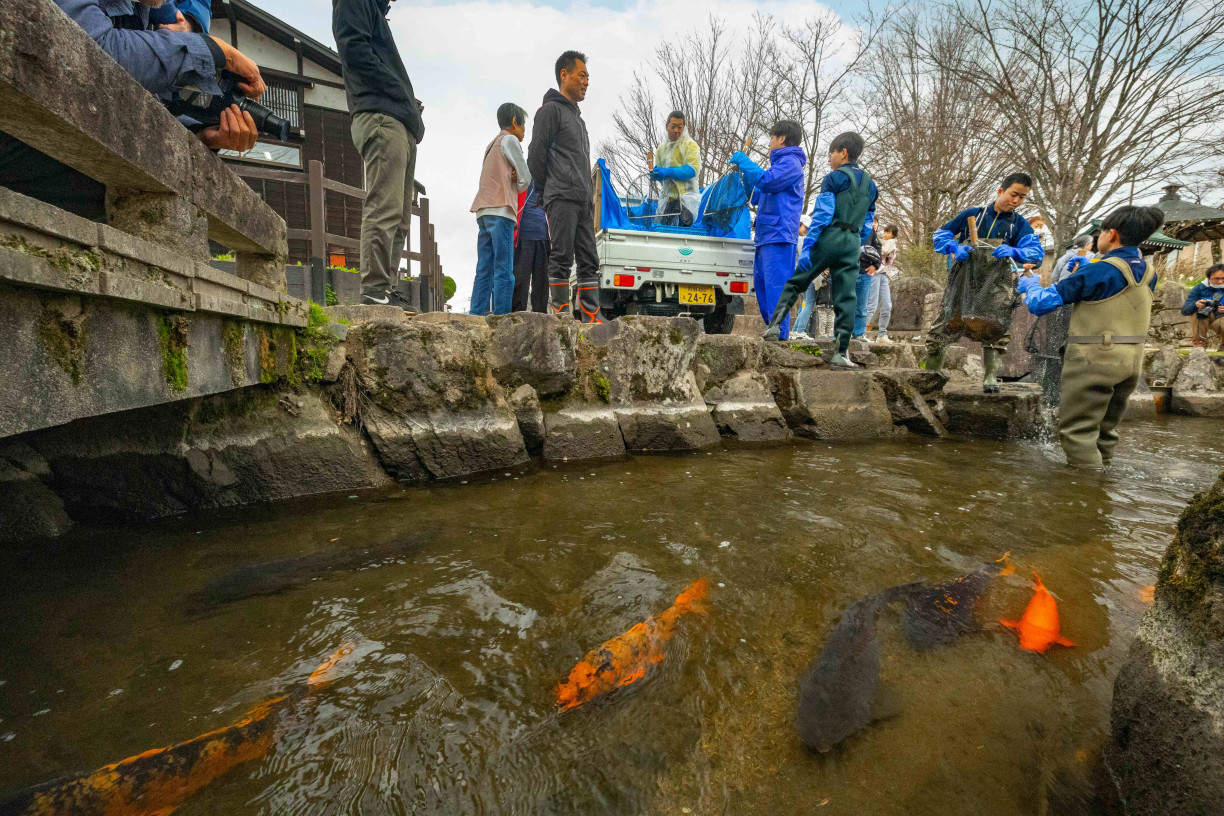
Koi swimming in the Seto Canal (Fabien Recoquille)
Carefully transferred into water-filled trucks, the koi make their short journey back through town, accompanied by curious onlookers, photographers, and visitors who have come to witness this charming spectacle. When they are finally released into the canal, their bright colours once again animate the clear waters, weaving alongside white-walled storehouses and drifting petals.
More than a seasonal task, the relocation is a living symbol of renewal—an expression of community spirit and spring’s arrival in Hida Furukawa.
Discover Hida Furukawa
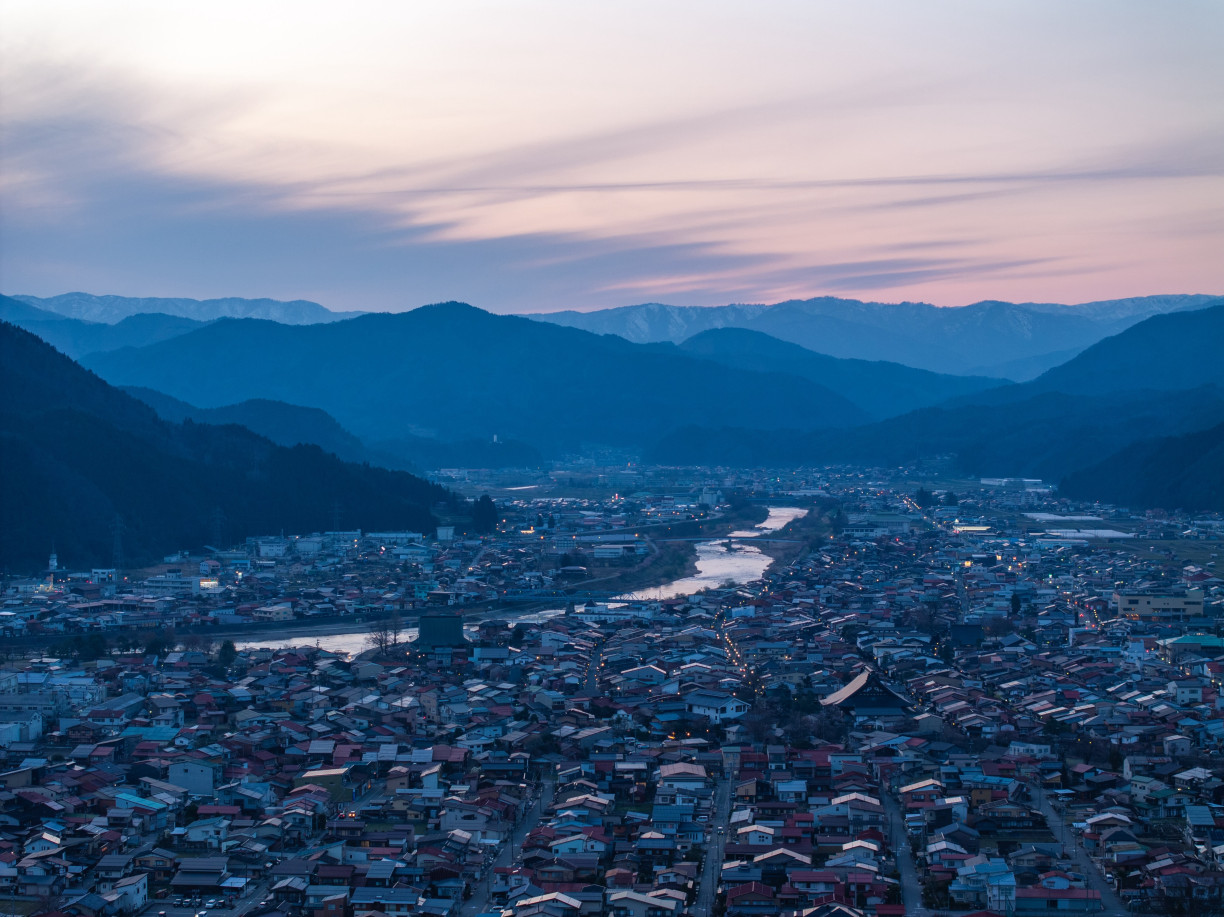
A high-up shot of Hida-Furukawa at sunset (Fabien Recoquille)
In Hida Furukawa, it’s the small, unspoken moments that leave the deepest impression. The quiet rhythm of daily life, the warmth of its people, and the enduring traditions woven into the fabric of the town all reveal a side of Japan that feels both timeless and deeply personal.
From watching koi glide through the Setogawa Canal to sharing a chat with a local, there’s a sense of connection that lingers long after you leave.
Here, the soul of rural Japan isn’t something you seek out—it finds you.
How to get to Hida Furukawa from Tokyo
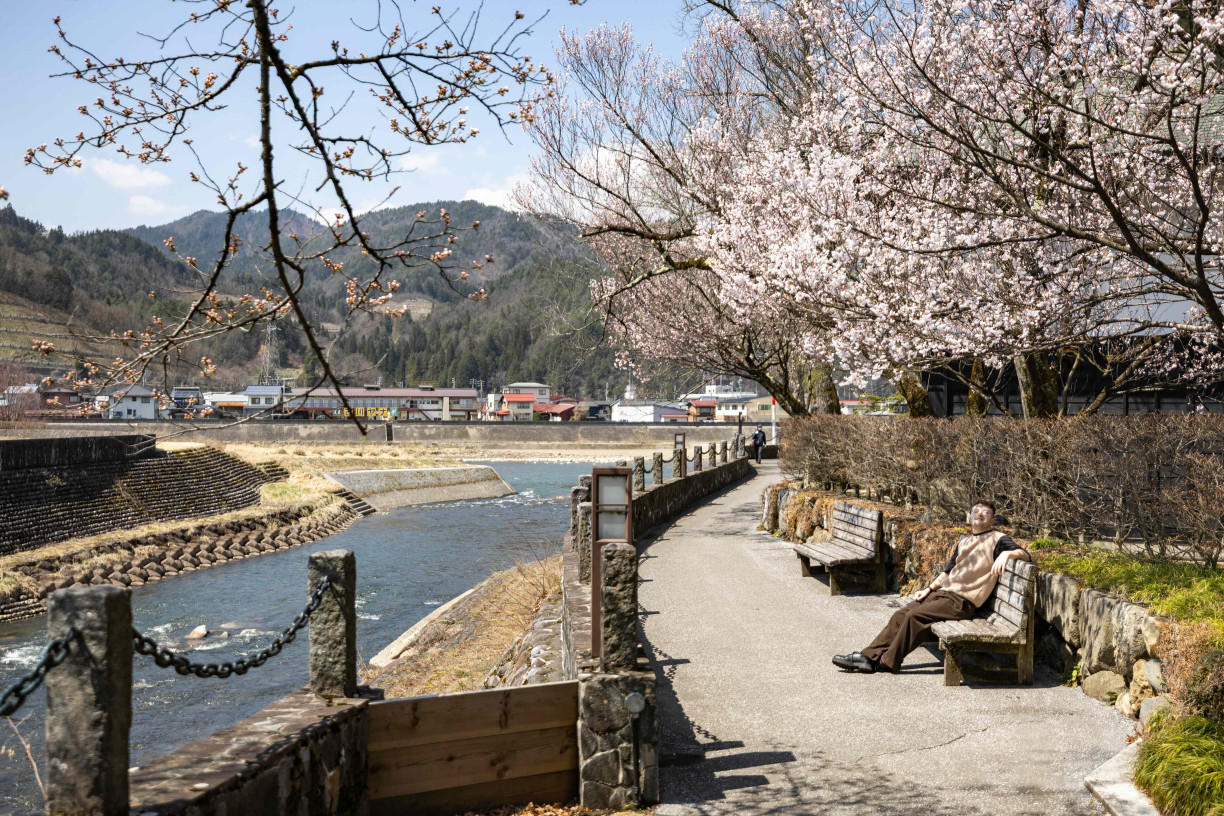
Sitting under cherry blossoms by the river in Hida-Furukawa (Fabien Recoquille)
Reaching Hida Furukawa from Tokyo is straightforward and scenic.
Take the JR Hokuriku Shinkansen from Tokyo Station to Toyama, then transfer to the JR Takayama Line for a picturesque journey through the Japanese Alps to Hida-Furukawa Station. The total journey takes around three to four hours.
Alternatively, travel via Nagoya by taking the Tokaido Shinkansen, then connecting to the JR Hida Limited Express that will take you directly to Hida-Furukawa Station.
Hida Furukawa FAQs
How do you get to Hida Furukawa?
Hida Furukawa is easily accessible by train from nearby Takayama. From Takayama Station, take the JR Takayama Line to Hida-Furukawa Station—a short journey of around 15 minutes through scenic countryside.
What to do in Hida Furukawa?
Known for its tranquil charm, Hida Furukawa offers a glimpse into traditional Japan. Stroll along the Setogawa Canal lined with white-walled storehouses and filled with koi, visit the Hida Furukawa Festival Exhibition Hall, explore local sake breweries, or experience the scenic countryside.
What is the best time to visit Hida Furukawa?
The town is beautiful year-round, but spring (mid-April to early May) is especially popular for cherry blossoms and the celebrated Furukawa Festival. Autumn (October to November) is equally captivating, with vibrant foliage painting the surrounding landscapes.
Surrounded by majestic mountains and lush greenery, Hida Furukawa is a quaint town north of Gifu Prefecture and not far from Takayama City. It is a throwback to the traditional streets and the charming architecture of old Japan, filled with history and culture.
Feel the warmth of the local...
Living and Breathing Satoyama
Having opened in summer 2020, Satoyama Stay is the newest addition to the Satoyama Experience group which specializes in tours such as cycling and seasonal excursions based in the town of Hida Furukawa. With locations in Hida Furukawa, Satoyama Stay is comprised of two beautifully renovated machi...
We use Cookies on this site to enhance your user experience. If you continue to browse, you accept the use of Cookies on our site. See our Cookie policy for more information.