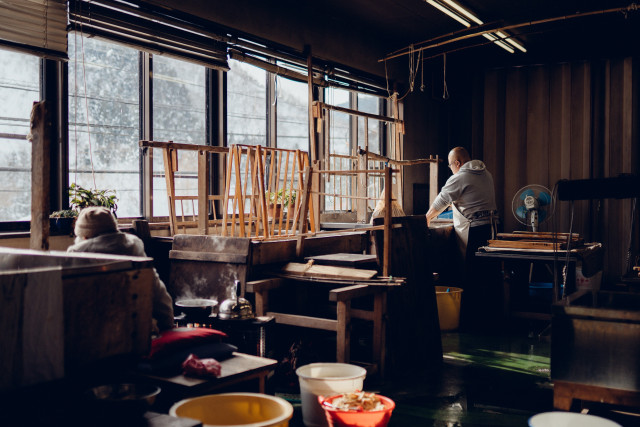
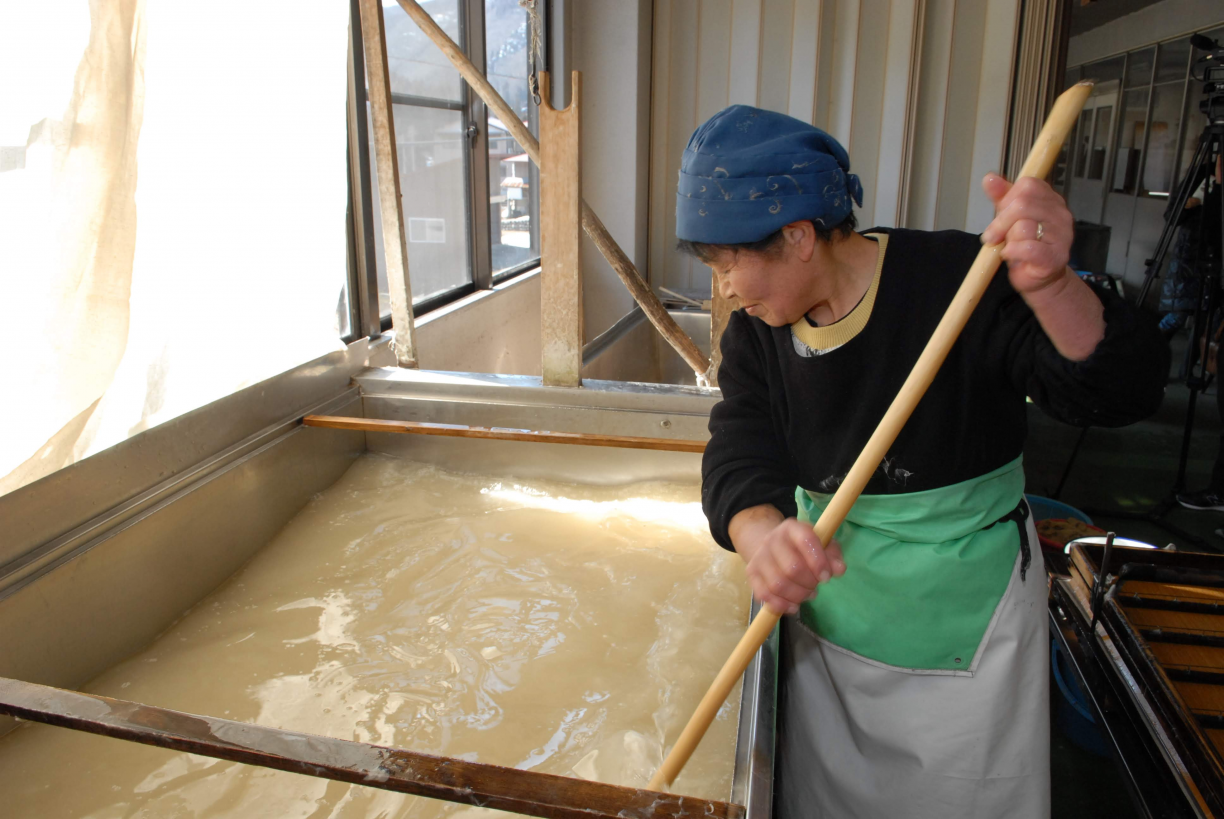
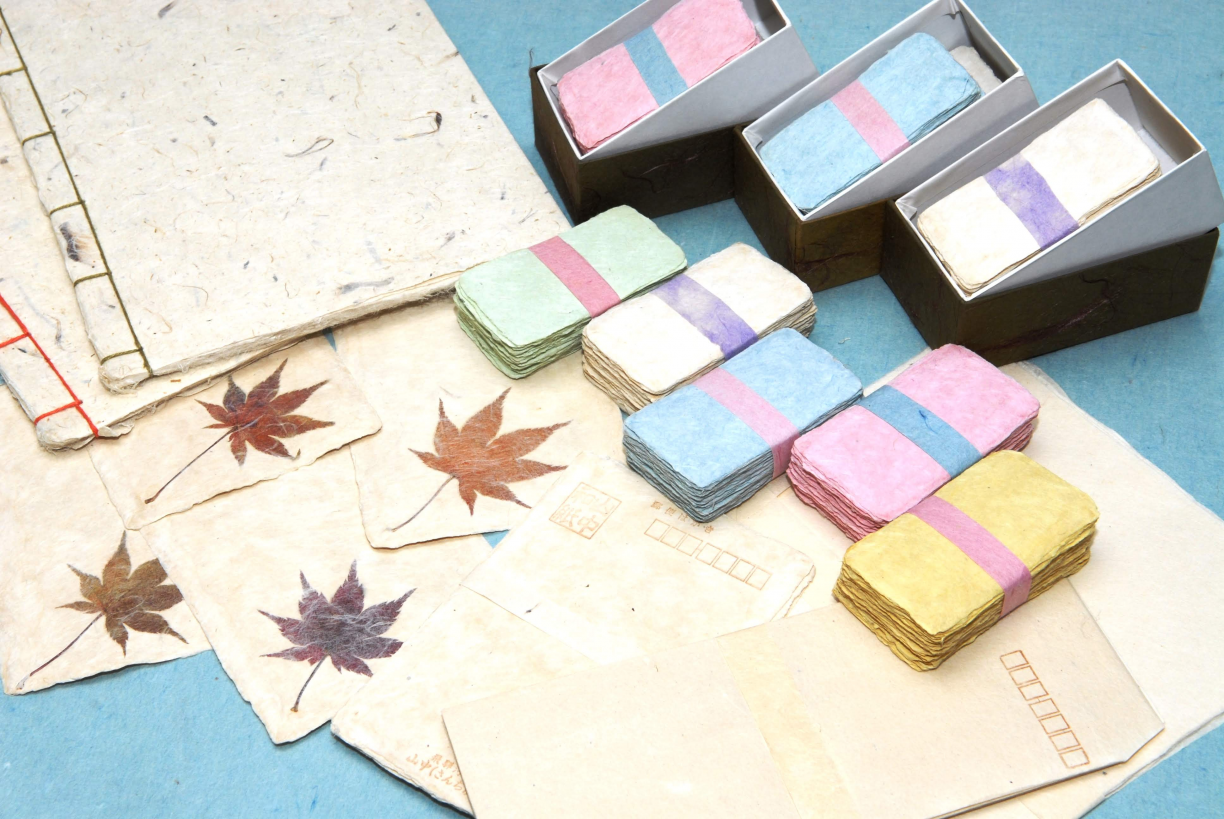
Sanchu Washi is a paper mill with 800 years of history known for specializing in producing Japanese washi paper using the Kozo no Yukizarashi (コウゾの雪晒し) technique.
The papermakers use snow—abundant in this area during Hida’s cold winters—to bleach the kozo (mulberry) bark leading to its natural texture and beautiful appearance.
Individuals interested in learning about Kozo no Yukizarashi can visit Inaka Kogeikan, a nearby crafts museum that was created to protect and convey this local production technique which has been in gradual decline. They offer paper-making classes, as well as provide information about the art that seeks to immortalize the tradition through education of future generations.
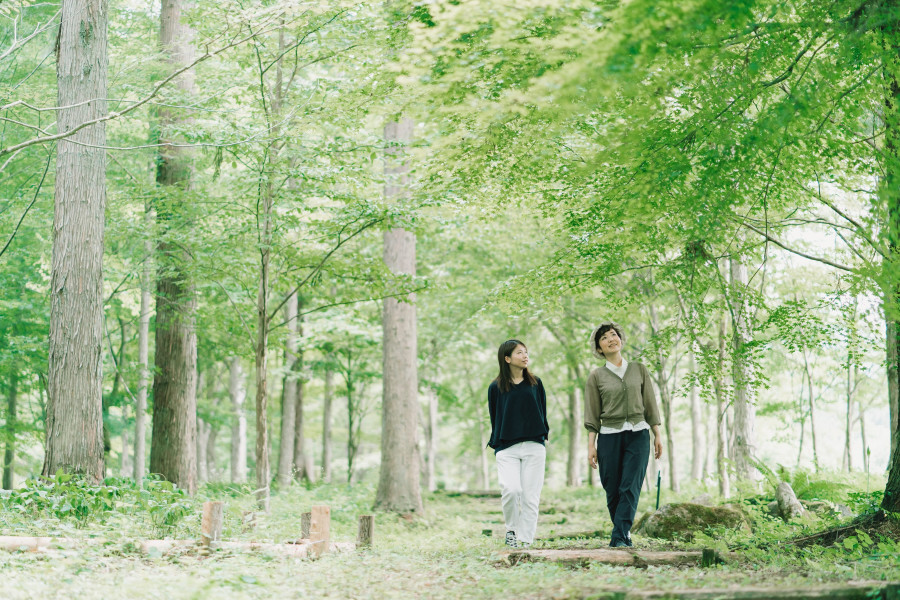
The scenic countryside of Hida is the perfect backdrop for the cultural learning process and immerses visitors in an unforgettable learning experience.
Essential Information
Admission
Inaka Kogeikan:
Free admission
1000 yen per person for Kamisuki paper experience (reservation required)
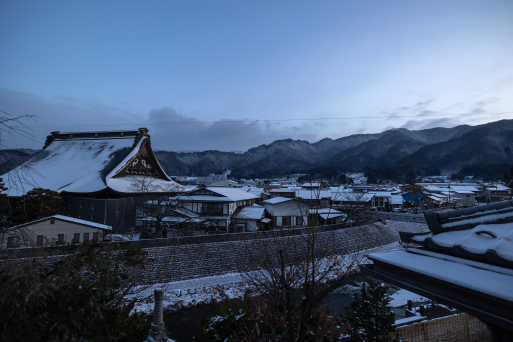
As autumn’s vibrancy gives way to winter’s chill, the quaint town of Hida Furukawa dons its snowy cloak once again and enamors visitors with its picturesque charm. Here, in northern Gifu’s blessed nature, traditional buildings meet gentle moving canals and centuries-old establis...
The SATOYAMA EXPERIENCE
Discover the charm of Japan’s countryside through cycling
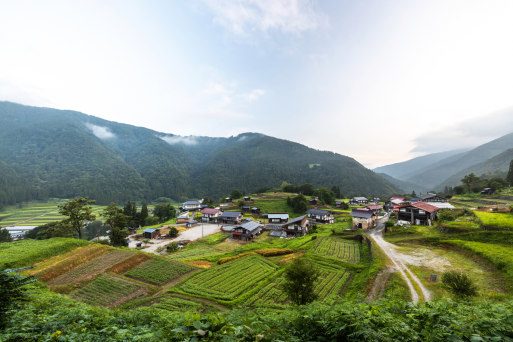
Sandwiched between the picturesque Northern Japan Alps and the UNESCO World Heritage village of Shirakawa-go, lies an old castle town named Hida. With a small population and an abundance of greenery, the area has helped foster the...
We use Cookies on this site to enhance your user experience. If you continue to browse, you accept the use of Cookies on our site. See our Cookie policy for more information.